
What to Look For: Wildfire Signs, Causes & Prevention in LA
The recent 2025 Los Angeles wildfire served as a stark reminder of the ever-present threat of blazes in California. From the iconic Hollywood Sign’s near miss to the devastation of countless homes and acres, understanding what to look for – both in terms of warning signs and preventative measures – is crucial for every resident. This post delves into the common causes, devastating impacts, and vital facts about wildfires to help you stay informed and prepared.
Understanding the Triggers: What Starts a Wildfire?
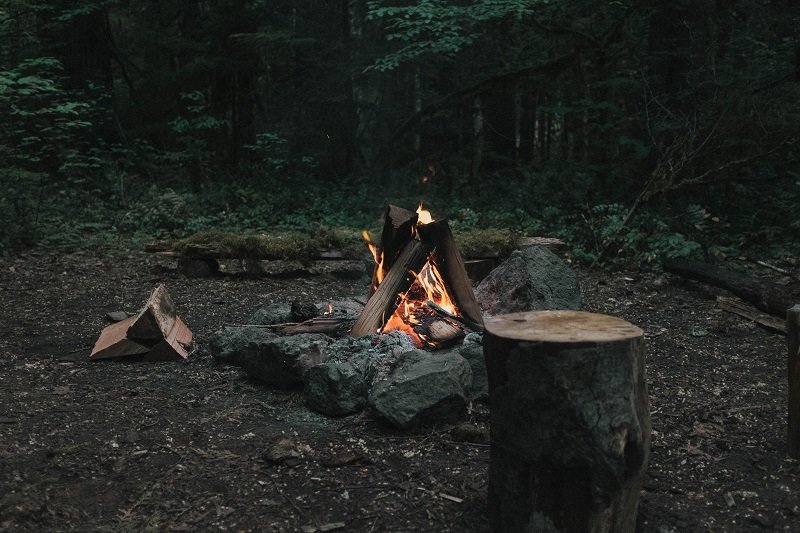
Wildfires rarely ignite without a cause, and often, human activity plays a significant role. Unattended campfires, carelessly discarded cigarette butts, and sparks from power lines during high winds are frequent culprits. Sadly, arson can also be a factor. Beyond human influence, natural phenomena like lightning strikes can spark fires. However, the underlying vulnerability often stems from climate conditions. Prolonged periods of hot, dry weather and ongoing droughts, like those experienced in Los Angeles, dry out vegetation, creating an abundant supply of fuel that is easily ignited and spreads rapidly.


The Critical Elements: Fuel, Heat, and Oxygen
To truly grasp how rapidly a wildfire can spread, it’s essential to understand the “fire triangle” – the three elements required for a fire to ignite and sustain itself. First, there’s Fuel, which in wildfire scenarios, is typically dry vegetation such as trees, grass, and shrubs. Drought conditions in areas like Los Angeles significantly increase the availability of this fuel. Second, Heat is needed to initiate combustion; this can come from human activity, lightning, or even intense sun during arid periods. Finally, Oxygen, naturally abundant in the atmosphere, is crucial for fueling the fire’s spread. When these three elements converge, especially in windy, dry environments, wildfires can become uncontrollable very quickly.
Devastating Impacts: Beyond the Flames
The consequences of a large-scale wildfire extend far beyond the immediate flames. In Los Angeles, past fires have devastated numerous neighborhoods, leading to the destruction or severe damage of thousands of homes. The emotional toll on displaced families is immense, with many losing their most cherished possessions and sense of security. Beyond residential areas, commercial properties, schools, and critical infrastructure can be compromised, hindering recovery efforts. Furthermore, vast stretches of land are scorched, obliterating wildlife habitats and leaving behind a scarred landscape that can take years, if not decades, to regenerate. The true cost of a wildfire is measured not just in acres burned, but in lives disrupted and environments altered.


Protecting Our Landmarks: The Hollywood Sign’s Close Call
The Hollywood Sign, an undeniable global icon, faced a grave threat during the 2025 wildfire. While the flames came dangerously close to Mount Lee, the swift and coordinated efforts of firefighters prevented direct damage to the landmark. This near-miss highlighted the vulnerability of even the most recognizable urban symbols to the relentless advance of wildfires. It underscores the critical need for robust fire suppression strategies and community vigilance, especially in areas where natural landscapes meet dense urban environments. The survival of the Hollywood Sign serves as a powerful testament to the dedication of emergency responders and a stark reminder of what could be lost.
Proactive Measures: What Can We Do?
Given the increasing frequency and intensity of wildfires, proactive measures are more important than ever. For individuals, this includes maintaining defensible space around homes by clearing dry vegetation and debris. Communities must invest in advanced fire prevention strategies, such as early detection systems, controlled burns, and improved infrastructure to withstand fire. Urban planning plays a vital role in reducing risk, from building codes that favor fire-resistant materials to thoughtful development that minimizes encroachment into high-risk zones. Addressing the broader issue of climate change through sustainable practices is also a long-term, critical step in mitigating wildfire threats.

Staying Informed and Prepared
Ultimately, personal and community preparedness is paramount. Staying informed about local weather conditions, fire danger ratings, and evacuation orders is crucial. Every household should have an emergency plan, including designated meeting points and a go-bag with essential supplies. Understanding evacuation routes and practicing them can save lives. Resources from local fire departments and emergency services offer invaluable guidance on creating fire-resistant homes and landscapes. By working together and remaining vigilant, residents can significantly reduce their vulnerability and enhance their safety in the face of wildfire threats.