Alaska’s Majestic Parks: Your Ultimate Guide to The Last Frontier’s Wilderness
Alaska, often hailed as “The Last Frontier,” is a realm of unparalleled natural grandeur and untamed wilderness, stretching across an astounding 663,000 square miles. This colossal state is a mosaic of diverse ecosystems, from the towering, glacier-capped peaks and expansive Arctic tundra to the lush coastal rainforests and active volcanic landscapes. Within this immense territory lies a national and state park system that is truly in a league of its own, offering adventurers an intimate glimpse into the raw power and serene beauty of sub-Arctic and Arctic environments. For those yearning for genuine solitude, breathtaking vistas, and encounters with iconic wildlife, Alaska’s parks beckon with an irresistible call. This comprehensive guide aims to navigate you through the most celebrated and some of the more secluded park treasures of Alaska, equipping you with crucial insights into their unique characteristics, the incredible fauna you might encounter, and practical advice for meticulously planning your indelible Alaskan wilderness expedition. Prepare to step into a world where nature commands all attention, and every sweeping view is a masterwork of the wild.
The Iconic National Parks of Alaska

|
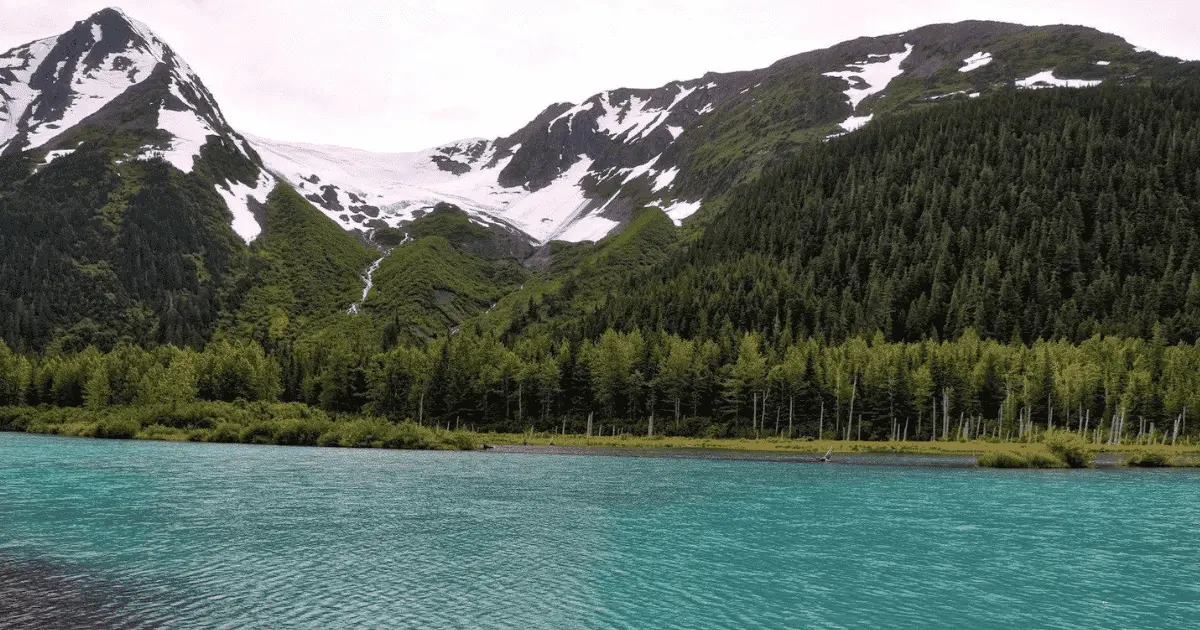
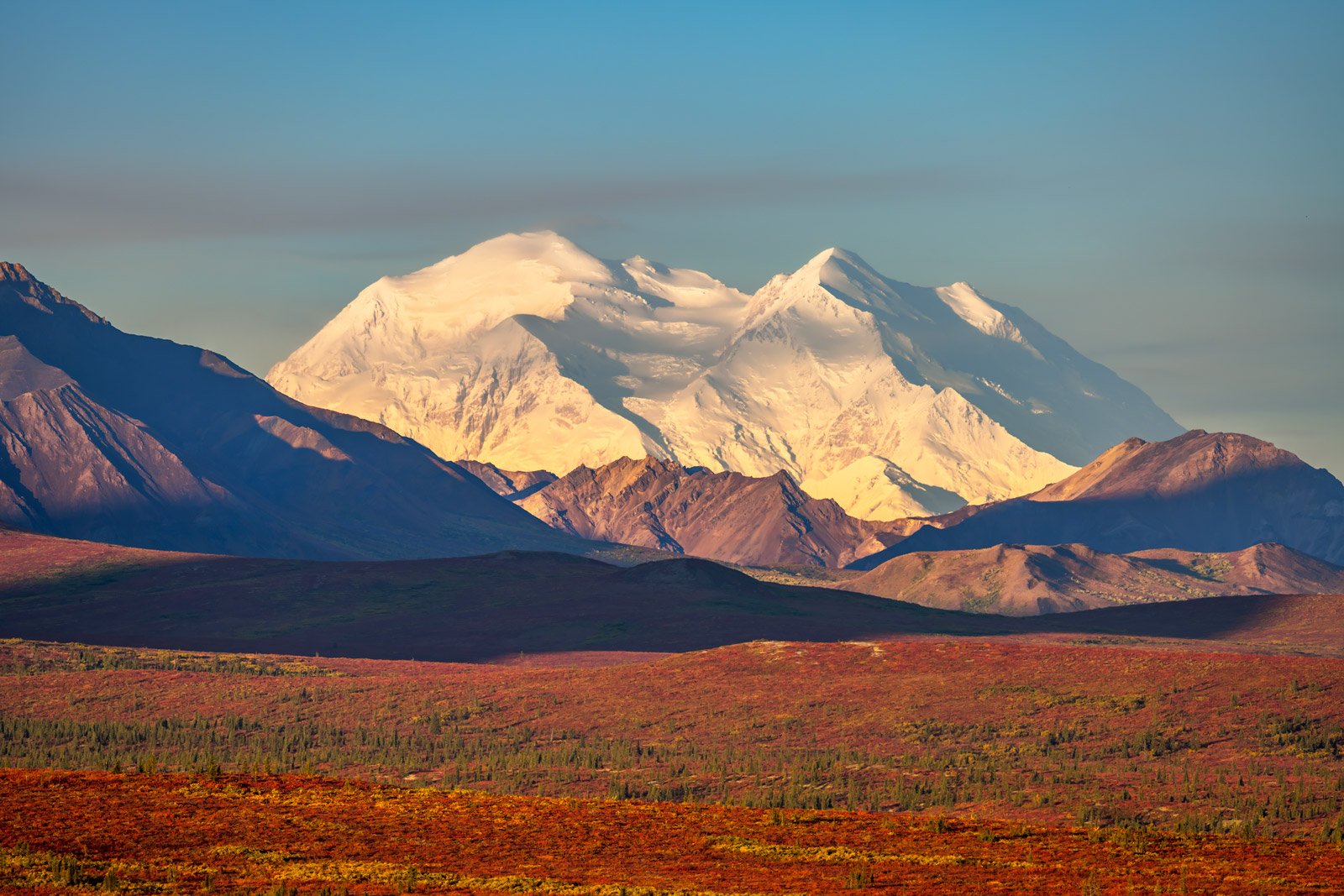
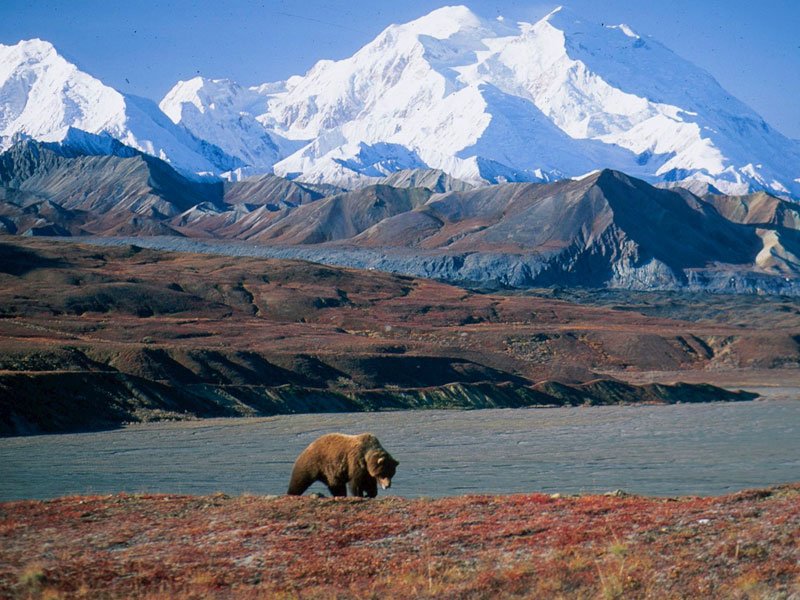
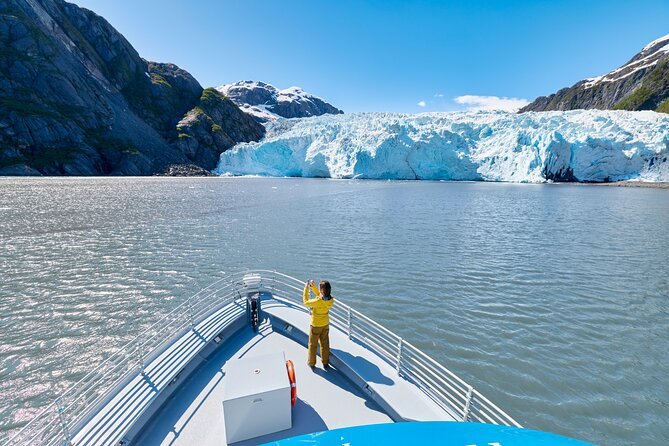
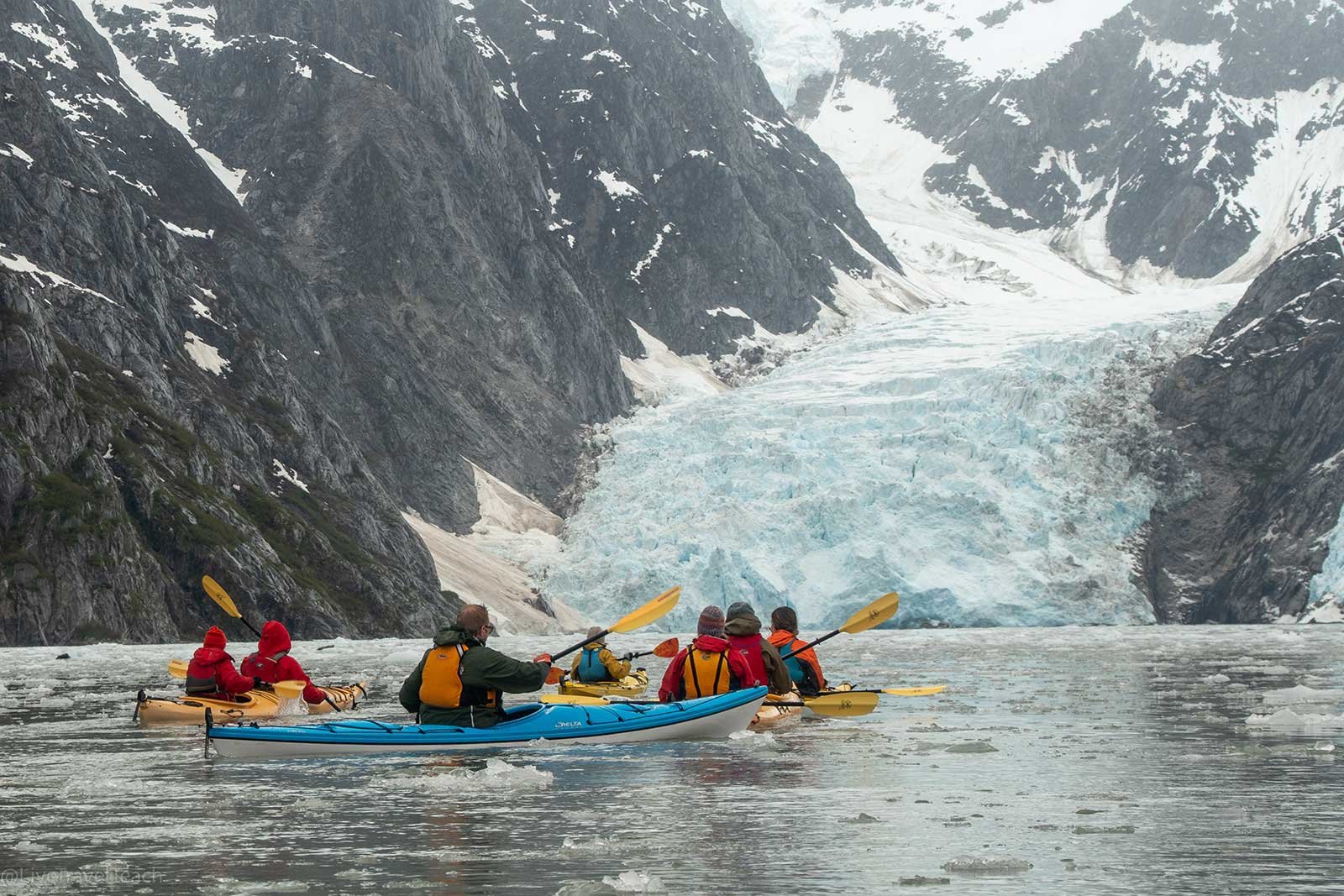
Alaska proudly hosts eight National Parks, collectively safeguarding over 54 million acres – an area larger than many European countries and more than any other U.S. state. These parks are not merely vast; they are largely untrammeled wilderness, offering experiences that truly define “remote.” Denali National Park and Preserve, arguably the crown jewel, encompasses 6 million acres, a domain dominated by North America’s highest peak, Denali, soaring to an awe-inspiring 20,310 feet. A single, restricted road penetrates deep into the park, providing unparalleled opportunities for wildlife viewing, where grizzly bears forage, caribou herds roam, moose graze, and wolves hunt. This limited access model preserves the park’s pristine character and significantly enhances the wilderness immersion for fortunate visitors, a testament to effective conservation strategies. Further south, Glacier Bay National Park and Preserve presents a dramatic maritime landscape, where colossal tidewater glaciers relentlessly calve icebergs into the pristine waters below, creating an auditory and visual spectacle. This UNESCO World Heritage site is a critical marine habitat, teeming with humpback whales, orcas, sea otters, harbor seals, and an incredible diversity of seabirds. Similarly, Kenai Fjords National Park showcases the magnificent Harding Icefield, one of the few remaining icefields in the United States, which feeds over 38 glaciers that sculpt the rugged coastline into dramatic fjords. The relative accessibility of some coastal parks from hubs like Seward or Gustavus offers a gateway to these wild marine environments, yet they retain their profound wildness, providing a tangible connection to the planet’s dynamic geological processes and vibrant marine ecosystems. |
Exploring Alaska’s Vast State Parks and Preserves
|
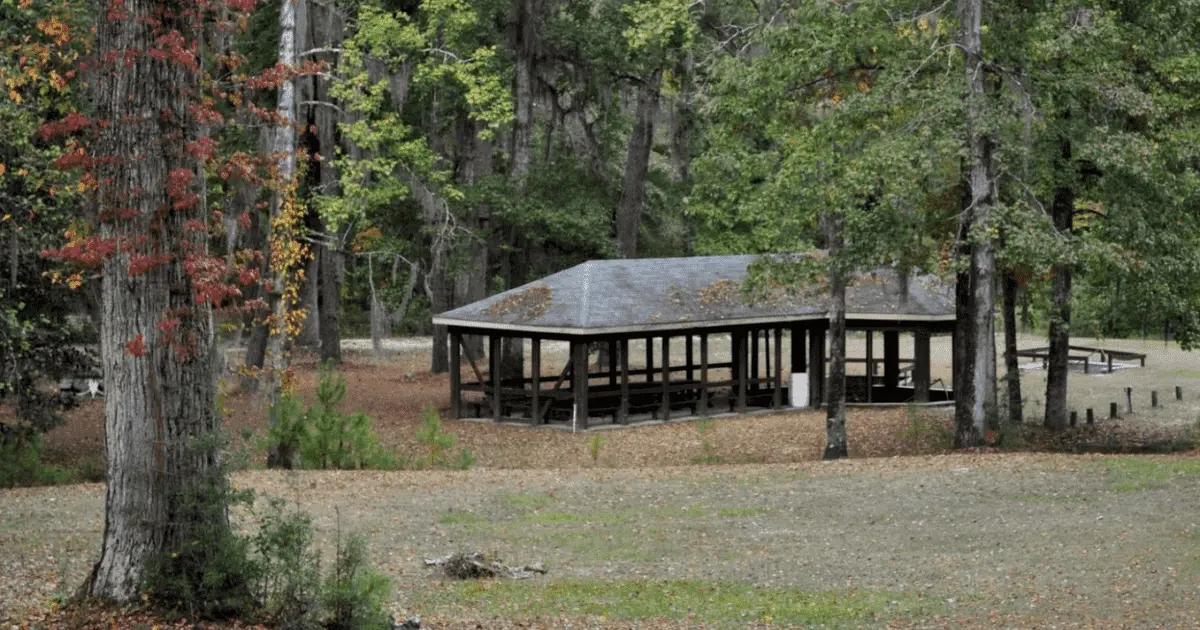
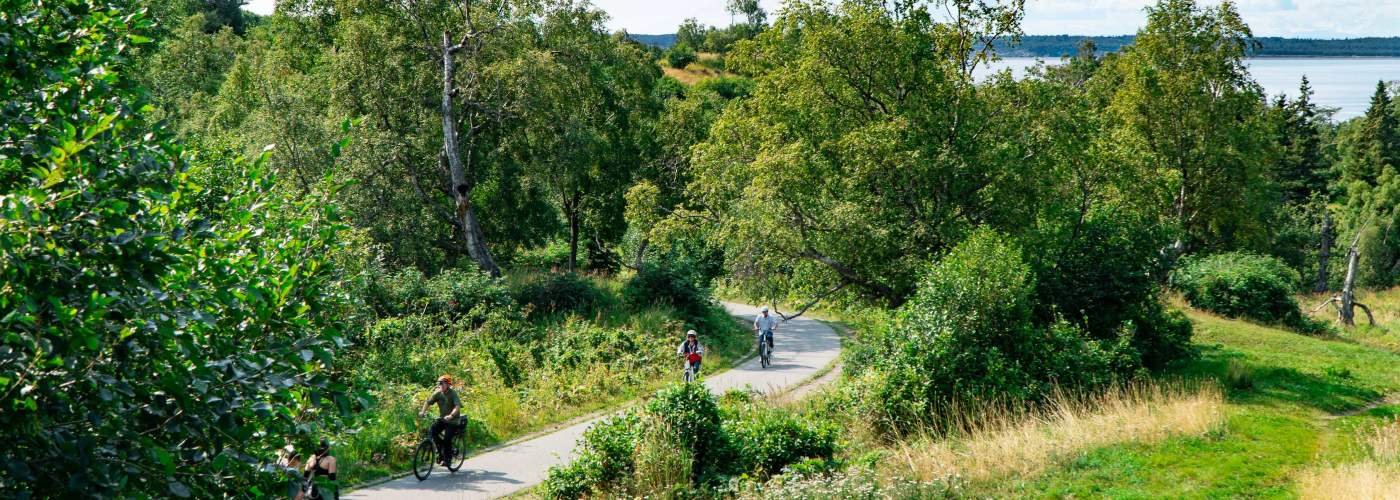
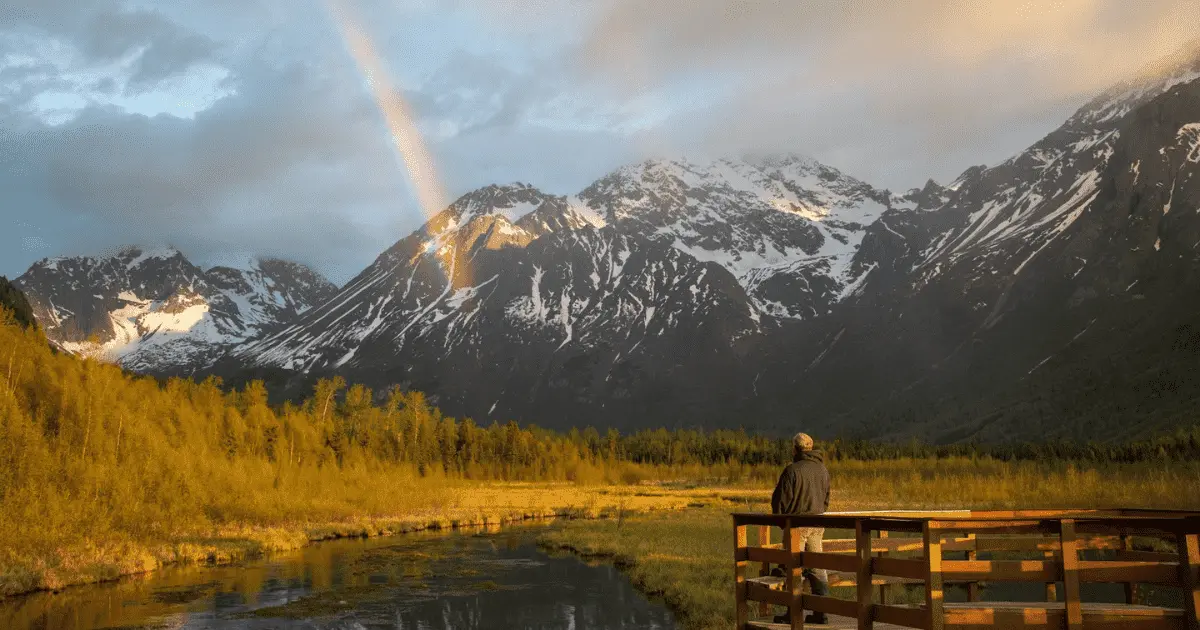
While the national park system justly receives widespread acclaim, Alaska’s extensive network of State Parks and other federal lands offers equally captivating, and often more accessible, avenues for outdoor enthusiasts. Chugach State Park, for instance, stands as one of the largest state parks in the nation, sprawling across nearly half a million acres directly adjacent to Anchorage. This unique proximity allows city dwellers and visitors immediate access to a stunning array of activities, including alpine hiking, glacier viewing, and frequent wildlife sightings of moose, bears, and Dall sheep. Its well-maintained trail system, featuring popular treks like the ascent to Flattop Mountain, rewards hikers with breathtaking panoramic views of Anchorage, the vast Cook Inlet, and the formidable Chugach Mountains, embodying Alaska’s rare fusion of urban convenience and raw, untamed nature. Venturing further afield, Kachemak Bay State Park, Alaska’s inaugural state park, offers a truly remote coastal wilderness experience, accessible exclusively by boat or floatplane from the charming town of Homer. Here, adventurers can paddle kayaks alongside playful sea otters, hike through ancient old-growth forests, or explore extensive tidal flats brimming with diverse marine life. These state parks often cultivate a more rustic and intimate atmosphere, characterized by fewer crowds and simpler facilities, appealing strongly to those who seek a deeper, more personal immersion in the Alaskan wild. Additionally, vast expanses of national forests, such as the sprawling Tongass National Forest in Southeast Alaska—the largest national forest in the U.S.—and the rugged Chugach National Forest, provide boundless opportunities for world-class fishing, hunting, and ambitious backcountry adventuring, underscoring the sheer scale of protected lands in Alaska and the multifaceted approaches employed for their preservation. |

|
Planning Your Alaskan Wilderness Expedition
Embarking on an Alaskan park adventure necessitates meticulous planning, given the state’s immense geographical scale, often unpredictable weather conditions, and limited infrastructure in many remote regions. The prime window for visiting most parks typically extends through the summer months, from June to August, when temperatures are at their mildest, daylight hours stretch endlessly, and wildlife activity is at its peak. However, this period also coincides with the highest tourist volumes, making it imperative to secure flights, accommodations, and guided tours many months in advance. For example, wilderness bus tickets for Denali National Park’s interior road are often fully booked well before spring. Your planning should align with your desired experience: a multi-day backcountry trek demands extensive preparation, including permits, route planning, and specialized gear, whereas day trips to more accessible parks might only require basic hiking equipment and a keen sense of adventure.
Proper packing is unequivocally crucial, irrespective of your chosen season. Layered clothing is indispensable, as Alaska’s weather can pivot dramatically from warm sunshine to cold rain or brisk winds within hours. Essential items include waterproof and windproof outer shells, robust, broken-in hiking boots, ample insect repellent (especially vital for interior regions during summer), and bear spray, coupled with knowledge on its proper deployment, for any wilderness excursion. Always file a detailed trip plan with a trusted contact, particularly when venturing into remote areas, and carry reliable satellite communication devices. Park visitor centers and ranger stations are invaluable resources, offering up-to-minute local knowledge, trail conditions, safety briefings, and educational programs that can profoundly enrich your journey and ensure a safer, more fulfilling exploration of Alaska’s formidable landscapes.
Responsible Wildlife Viewing and Safety Protocols
|
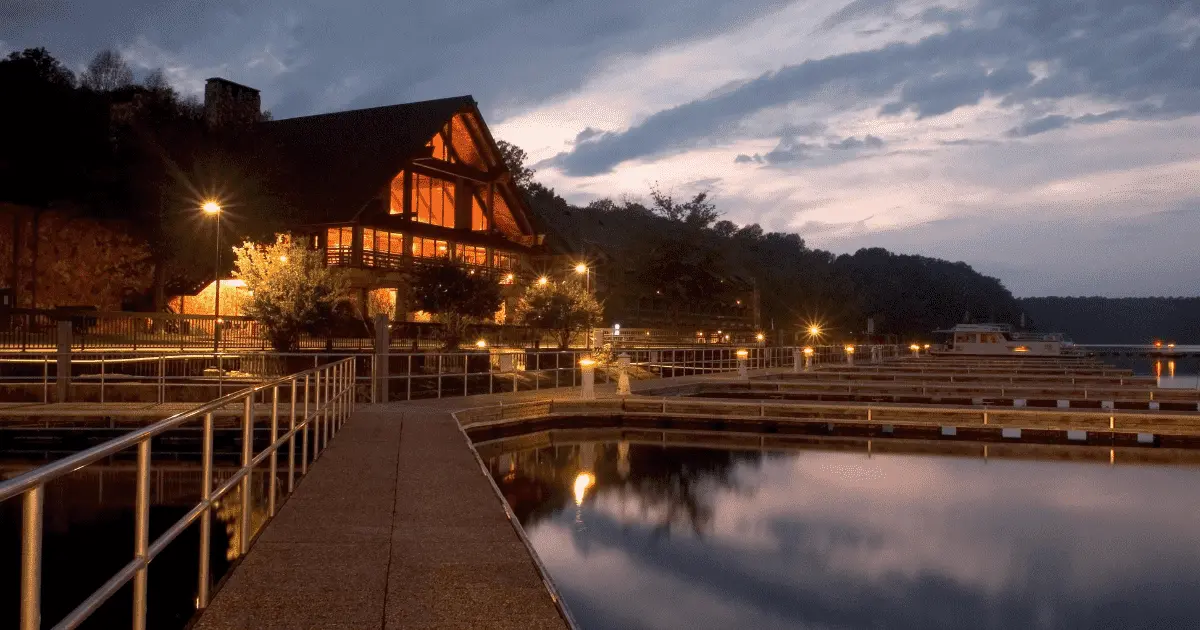
Alaska stands as an unparalleled haven for wildlife enthusiasts, boasting an extraordinary array of creatures, from the awe-inspiring grizzly bear and the elusive gray wolf to the magnificent humpback whale and the agile Dall sheep. Witnessing these animals thriving in their natural habitat is a profound privilege for many visitors, yet it inherently carries a significant responsibility: ensuring the safety and well-being of both humans and wildlife. When traversing or camping in bear country, which encompasses vast portions of Alaska, it is absolutely critical to carry bear spray and be proficient in its deployment. Adhering to practices such as making consistent noise on trails, moving in groups, and rigorously storing all food and scented items in bear-resistant containers are non-negotiable measures to mitigate unwelcome encounters. Strict wildlife viewing guidelines, such as maintaining substantial distances (e.g., a minimum of 25 yards from most wildlife, and at least 100 yards from bears), are rigorously enforced to prevent undue stress to animals and to protect visitors from potentially aggressive behaviors. Beyond bears, visitors might be fortunate enough to observe majestic moose gracefully foraging along riverbanks, vast caribou herds undertaking their epic migrations across the tundra, or playful sea otters lounging in coastal kelp beds. Birdwatchers will discover a vibrant avian world, with bald eagles soaring overhead, comical puffins nesting on sea cliffs, and a multitude of migratory species. The cornerstone of successful and ethical wildlife viewing lies in patience, equipped binoculars, and a profound respect for nature. It is imperative to resist the urge to feed any wild animals, as this habituates them to human presence, often leading to dangerous scenarios for both the animals and future visitors. Remember that you are a temporary guest in their ancient home, and your actions directly influence their survival and natural behaviors. By diligently adhering to these safety and ethical principles, visitors can enjoy truly unforgettable wildlife encounters while actively contributing to the long-term conservation of Alaska’s invaluable and diverse fauna. |
Unique Adventures Beyond the Mainstream Parks
|
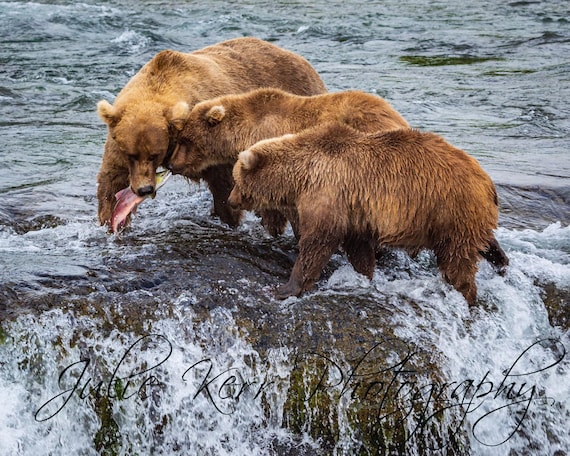
While Denali and Glacier Bay are undeniably iconic, Alaska offers a wealth of more remote and specialized park experiences for the truly adventurous. Katmai National Park and Preserve, accessible primarily by floatplane, is world-renowned for its incredible brown bear viewing opportunities, particularly at Brooks Falls where bears congregate to fish for salmon. During peak season (July and September), visitors can witness dozens of bears actively fishing, a truly primal and unforgettable spectacle. Strict viewing platforms and ranger guidance ensure safety and minimal disturbance to the bears, making it a bucket-list destination for wildlife photographers and enthusiasts. This park exemplifies how carefully managed access can provide extraordinary wildlife encounters without compromising conservation. For those seeking ultimate solitude and an immersion in pure wilderness, Gates of the Arctic National Park and Preserve, entirely above the Arctic Circle and with no roads or trails, offers an unparalleled experience. Visitors must fly in by bush plane, navigate by map and compass, and be entirely self-sufficient in this vast, pristine landscape. It’s a place for experienced backpackers, river rafters, and mountaineers who crave true isolation and the challenge of navigating an untouched environment. Similarly, Wrangell-St. Elias National Park and Preserve, the largest national park in the U.S. at 13.2 million acres (six times the size of Yellowstone), offers a diverse landscape of towering mountains, immense glaciers, and historic mining towns like Kennicott. Here, ice climbing, glacier trekking, and multi-day backcountry trips are popular, offering a mix of cultural history and extreme wilderness adventure. These parks showcase the sheer diversity of experiences available, from accessible wildlife viewing to challenging, self-reliant expeditions into the heart of the Arctic. |

|
Climate Change and the Future of Alaska’s Wild Lands
The breathtaking, seemingly immutable landscapes of Alaska’s parks are, in reality, on the front lines of global climate change, facing profound and accelerating transformations. Glaciers, such as those in Glacier Bay and Kenai Fjords, are receding at alarming rates, contributing significantly to global sea-level rise and reshaping entire ecosystems. Permafrost, the permanently frozen ground that underlies much of Alaska, is thawing, releasing ancient carbon stores into the atmosphere and destabilizing infrastructure. These changes directly impact wildlife habitats, forcing species to adapt or migrate, and altering the delicate balance of these northern ecosystems. Parks are actively engaged in extensive scientific research, deploying sensors and monitoring programs to track these shifts, aiming to inform adaptive management strategies and broader conservation policies.
The increasing frequency and intensity of wildfires, like the hypothetical 2025 Los Angeles event, also underscore the vulnerability of dry regions to climate shifts, a concern that echoes in Alaska’s interior forests. Conservation efforts within Alaska’s parks are multifaceted, ranging from managing invasive species and restoring damaged habitats to educating visitors about their role in mitigating impact. Adhering to “Leave No Trace” principles—such as proper waste disposal, minimizing campfire impacts, and staying on marked trails—is more critical than ever. Furthermore, supporting initiatives that promote renewable energy, advocate for reduced carbon emissions, and fund ecological research directly contributes to safeguarding these invaluable natural treasures. Alaska’s parks serve not only as magnificent natural attractions but also as vital living laboratories and poignant symbols of the urgent need for global environmental stewardship.