

Google Search is undergoing its most dramatic transformation since the introduction of mobile-first indexing. With AI-powered features like Search Generative Experience (SGE) and Google SGE, Bing Copilot, and AI-integrated search in ChatGPT challenging traditional search paradigms, the landscape of organic search is shifting beneath our feet. Here at Cappella Digital Marketing Solutions (CDMS) we are sharing how AI will change organic SEO, along with tips for succeeding in this new era.
What This Means for Organic Traffic
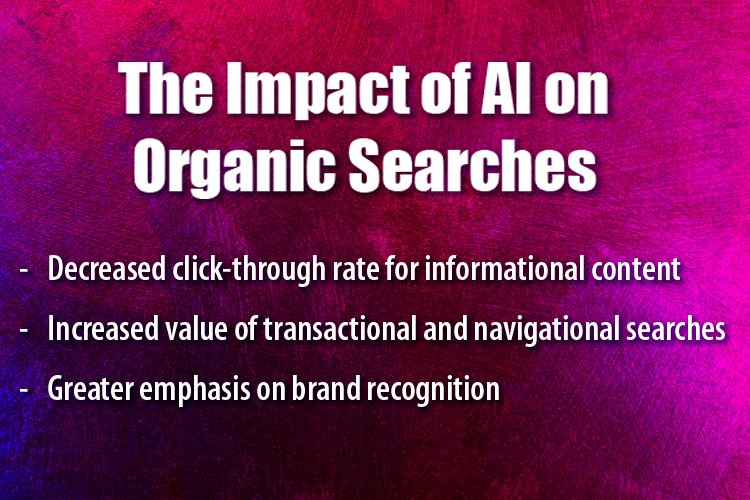
- The traditional SEO playbook focused on ranking number one for target keywords. In an AI-dominated search environment, that top ranking may appear below an AI-generated answer that pulls information from multiple sources—including your competitors. This shift will likely result in:
- Decreased click-through rates for informational content: When users can get their answers directly from AI summaries, they have less reason to visit individual websites. That doesn’t mean there is no value in informational content. Being in the top AI Overviews means increased brand recognition. At CDMS, we are seeing less organic traffic but no dip in conversions. This indicates the traffic we are losing is informational searches. Expect informational blog posts and how-to content to see the steepest declines in organic traffic.
Increased value of transactional and navigational searches: Queries with commercial intent—where users are ready to purchase or engage with specific services—will remain valuable. AI can recommend options, but it can’t complete transactions or provide personalized service experiences.
Greater emphasis on brand recognition: When AI systems cite sources or recommend businesses, established brands with strong digital footprints will have significant advantages. Being mentioned in AI-generated responses becomes the new “ranking number one.”

Five Strategies to Stay Ahead
1. Embrace E-E-A-T
Google’s emphasis on Experience, Expertise, Authoritativeness, and Trustworthiness (E-E-A-T) will intensify as AI systems need to determine which sources deserve citation. Invest in demonstrable credentials, author bios, case studies, and third-party validation. Original research, proprietary data, and unique insights will become your most valuable SEO assets because AI models can’t generate truly novel information—they can only synthesize existing content.
2. Optimize for AI Citation
Think beyond traditional keyword optimization. Structure your content so AI systems can easily extract and attribute information. This means using clear headings, concise explanations, data citations, and schema markup. Make it effortless for AI to understand not just what your content says, but why it’s authoritative.
The Bottom line
Over the next five years, successful digital marketing will require adapting to a world where AI acts as an intermediary between your content and your audience. The websites that thrive will be those that provide genuine value AI can’t replicate: original research, personal experience, brand trust, and seamless user experiences that convert browsers into customers.
The future of search isn’t about gaming algorithms—it’s about becoming the kind of authoritative, trustworthy source that both AI systems and human users naturally turn to. Start building that foundation today, and you’ll be positioned to succeed regardless of how search continues to evolve. Reach out to us at info@clcliving.org if you could use some help navigating this new AI world.
Data Sources