
PlayOS: The Future of Specialized AI Business Automation
The business automation landscape is undergoing a seismic shift. While generic AI tools flood the market, forward-thinking companies are discovering that specialized intelligence delivers exponentially better results. Enter PlayOS, Inc., a revolutionary platform offering 13 distinct AI-powered assistants designed to automate specific business functions with surgical precision. Unlike one-size-fits-all solutions, PlayOS’s army of helpers—including Sintra X for social media, Soshie for customer support, and Cassie for data analysis—represents the next evolution in AI business automation. As companies increasingly seek targeted solutions over generalized chatbots, PlayOS stands at the forefront, transforming how businesses operate across marketing, sales, recruitment, and beyond. This comprehensive guide explores why specialized AI assistants are becoming indispensable tools for modern enterprises seeking genuine efficiency gains.
The Rise of Specialized AI in Business Automation
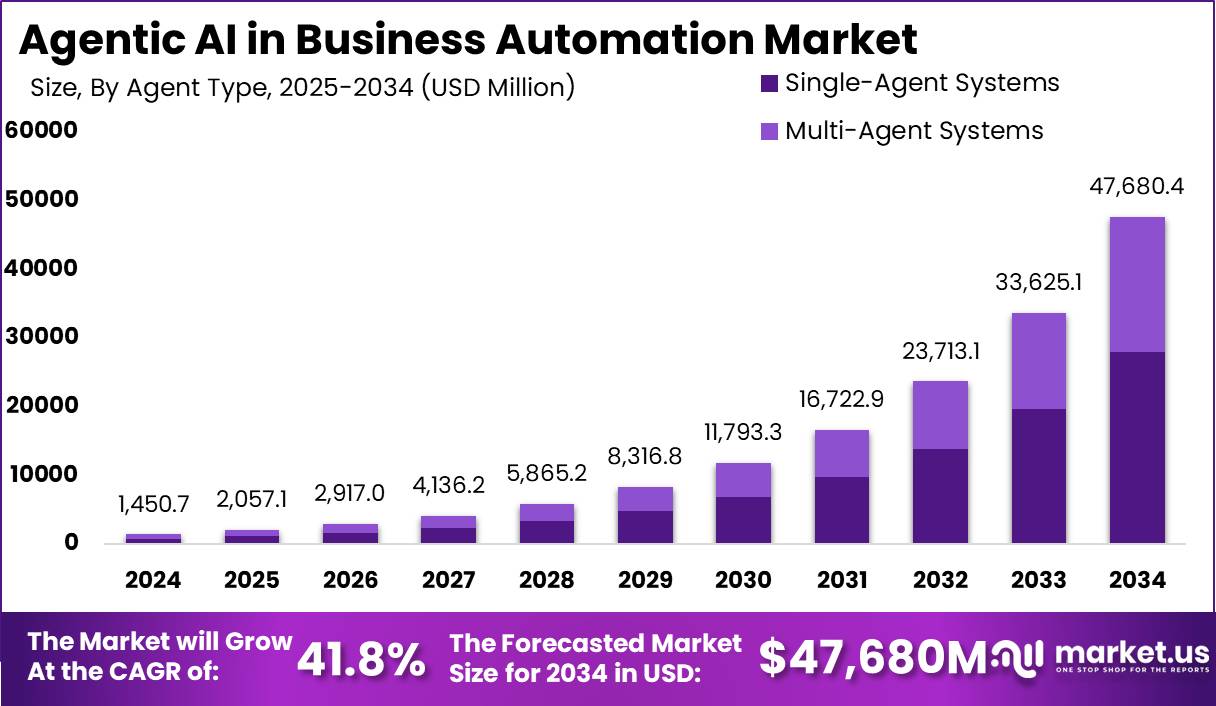
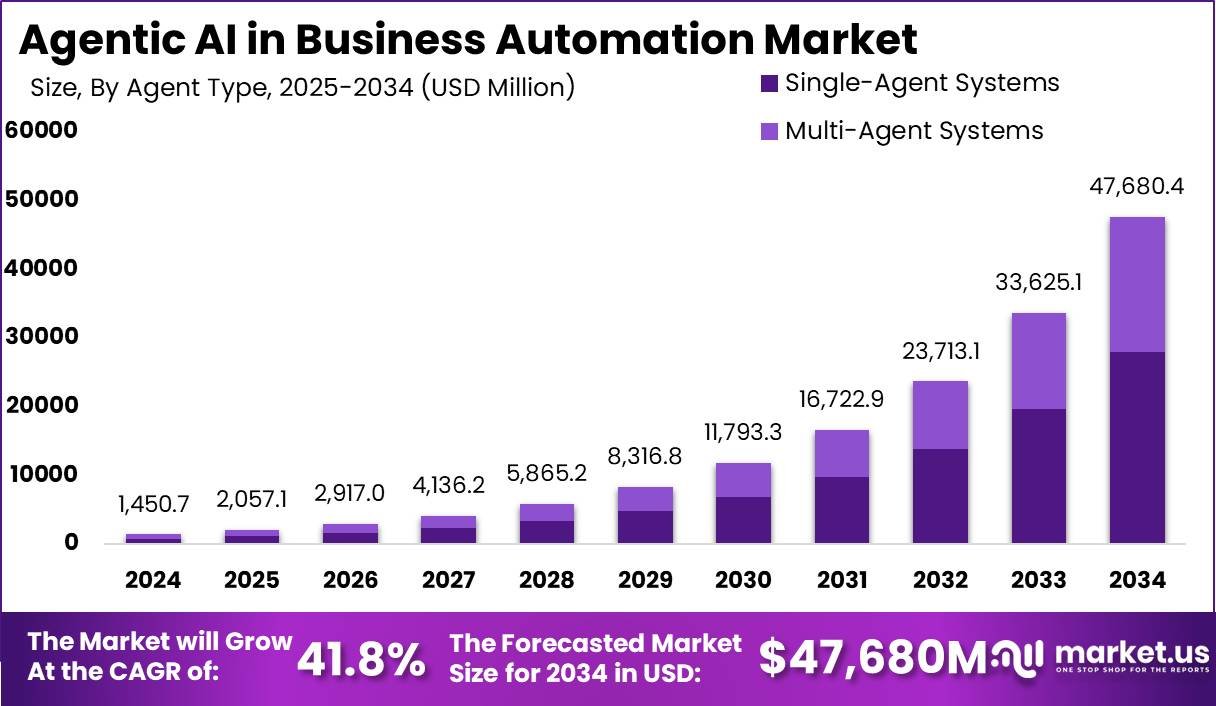
Recent market research reveals a startling trend: businesses using specialized AI tools report 3.5x higher satisfaction rates compared to those relying on generic AI assistants. This isn’t surprising when you consider that a specialized data analyst AI like Cassie can process complex business metrics with contextual understanding that general-purpose language models simply cannot match. The global AI in business automation market is projected to reach $19.6 billion by 2025, but the real story isn’t about market size—it’s about specialization. Companies are moving beyond the novelty of AI chatbots toward purpose-built digital workers who understand specific workflows, terminology, and objectives. This shift mirrors the evolution of human workforces: just as you wouldn’t hire a generalist to perform specialized surgery, businesses are learning that specialized AI delivers superior outcomes for complex tasks.
Industry experts highlight that specialized AI assistants reduce implementation time by up to 60% compared to training generic models for specific purposes. The reason is straightforward: specialized AI comes pre-trained on domain-specific data and workflows. For example, Buddy, PlayOS’s email marketing specialist, understands A/B testing principles, deliverability best practices, and engagement metrics from day one. This means businesses can deploy sophisticated automation in hours rather than months. As one AI implementation consultant notes, “The era of forcing generic AI to perform specialized tasks is ending. Companies like PlayOS are proving that domain-specific intelligence isn’t just more efficient—it’s fundamentally more capable.” This paradigm shift is reshaping expectations around what AI can realistically achieve in business contexts.
Meet PlayOS: A Comprehensive Suite of AI Assistants

PlayOS, Inc. has architectured something unprecedented: a coordinated ecosystem of 13 specialized AI assistants, each functioning as a dedicated digital employee for specific business operations. Think of assembling an elite team where every member excels in their designated role. The roster includes Sintra X managing social media presence, Soshie handling customer support inquiries with empathy and precision, Cassie diving deep into data analysis, Dexter crafting business strategies, Buddy orchestrating email campaigns, Emmie guiding personal growth, Gigi streamlining recruitment, Scouty generating compelling copy, Penn optimizing e-commerce operations, Commet strategizing sales funnels, Milli mastering SEO, and Seomi serving as a versatile virtual assistant.
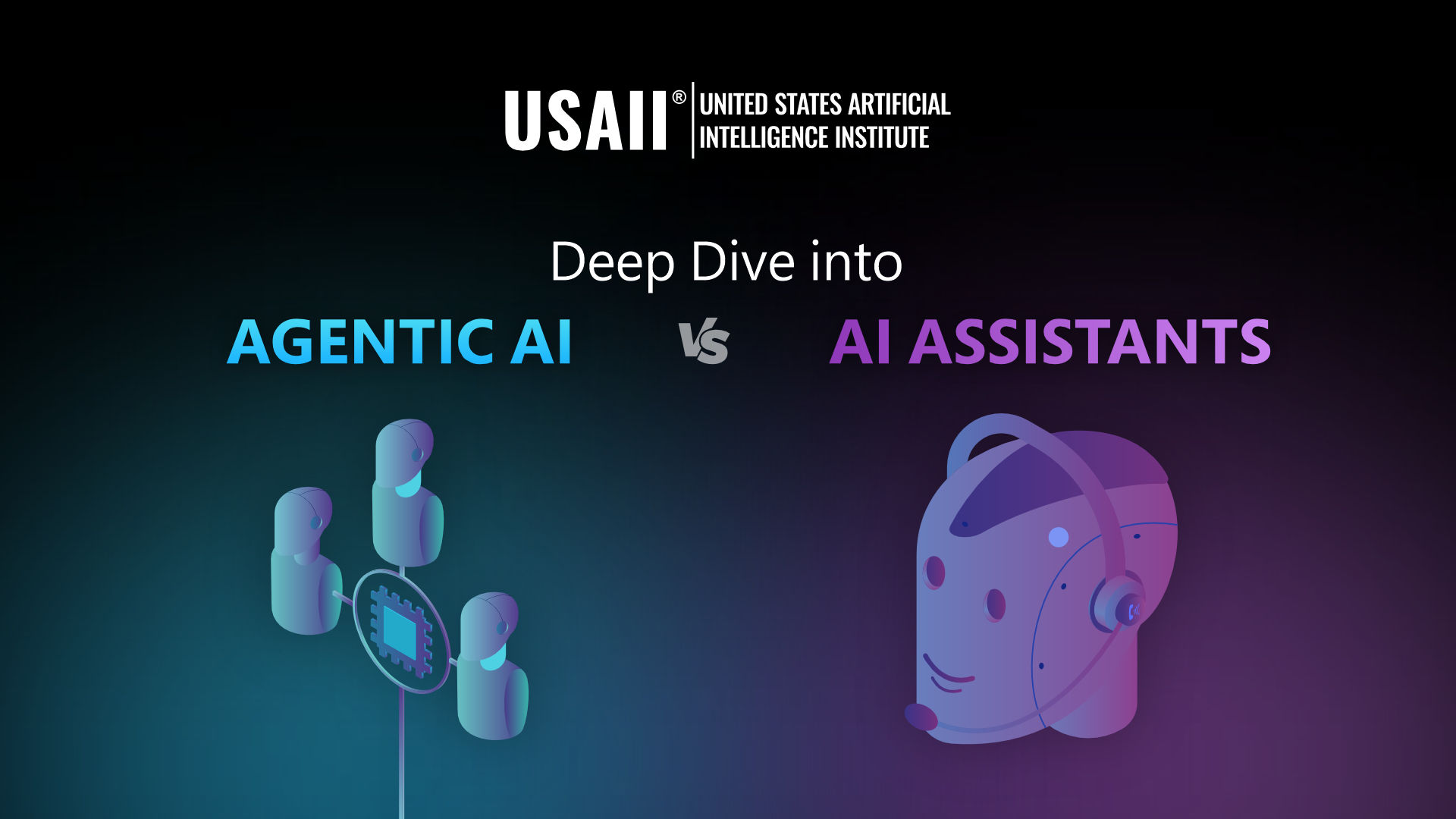
What distinguishes PlayOS from other AI platforms is that each assistant isn’t merely a re-skinned version of the same core model. Instead, they’re purpose-built with distinct personalities, knowledge bases, and operational methodologies tailored to their domains. This architectural approach means that when you ask Commet (sales strategist) to analyze your funnel, it’s drawing from sales psychology frameworks and conversion optimization principles, while when you task Cassie (data analyst) with the same dataset, it focuses on statistical significance and trend identification. This multiplies effectiveness across departments, creating a harmonious automation ecosystem where specialized intelligence compounds rather than overlaps. The platform’s Brain AI integration ensures all assistants can share insights and coordinate complex multi-step workflows across departments.
Deep Dive into PlayOS’s Core AI Helpers
Let’s examine how PlayOS’s specialized assistants translate into tangible business outcomes. Sintra X doesn’t just schedule posts—it analyzes engagement patterns across platforms, identifies optimal posting times for specific audiences, generates platform-appropriate content, and adjusts strategy based on real-time performance data. Early adopters report reducing social media management time by 73% while increasing engagement rates by an average of 45%. Meanwhile, Soshie revolutionizes customer support by understanding context across conversations, accessing knowledge bases instantly, and escalating complex issues to human agents only when truly necessary. Businesses deploying Soshie have seen ticket resolution times drop from hours to minutes while maintaining 95%+ customer satisfaction scores.
Perhaps most impressive is Dexter, the business strategist AI that can simulate multiple business scenarios and provide strategic recommendations backed by market data. A mid-sized e-commerce company recently used Dexter to evaluate three potential market expansion strategies, receiving comprehensive risk assessments, resource requirements, and projected outcomes within 48 hours—a process that traditionally required weeks of consultant time. Gigi, the recruitment specialist, goes beyond resume parsing by analyzing cultural fit indicators, predicting candidate success rates, and even conducting initial screening interviews. These aren’t incremental improvements; they represent fundamental shifts in how work gets accomplished. Each assistant comes with built-in “Power-ups” functionality, allowing businesses to customize workflows and integrate with existing tools seamlessly.
Why Specialized AI Beats Generic Solutions
The advantages of PlayOS’s specialized approach become crystal clear when examining implementation success rates. Generic AI tools require extensive prompt engineering and training to achieve task-specific competency, often yielding inconsistent results. In contrast, PlayOS’s assistants arrive pre-optimized for their domains. Consider Penn, the e-commerce specialist: it understands shopping cart abandonment triggers, knows how to craft compelling product descriptions, and can optimize pricing strategies based on competitive analysis—all without additional training. Businesses using specialized AI report 80% fewer “hallucinations” or incorrect outputs because the AI’s context window is filled with verified domain knowledge rather than general internet scraping data.
Actionable tip: When evaluating AI solutions, ask vendors for domain-specific accuracy metrics rather than general benchmarks. PlayOS provides detailed performance statistics for each assistant—Scouty, for instance, generates copy that scores 40% higher on conversion metrics than generic AI writing tools. Another critical factor is compliance and security: specialized assistants can be trained on industry-specific regulations (HIPAA for healthcare, GDPR for European operations, etc.) from the start. Milli, the SEO mastermind, automatically audits websites against Google’s latest algorithm updates, while generic tools might miss recent changes. The comprehensive automation coverage means businesses can automate entire workflows rather than individual tasks, creating compound efficiency gains across departments.
Real-World Applications and Transformative Benefits
Let’s examine concrete implementations that demonstrate PlayOS’s impact. A digital marketing agency deployed five PlayOS assistants simultaneously: Scouty for content creation, Sintra X for social management, Buddy for email campaigns, Cassie for analytics, and Commet for sales strategy. Within one quarter, they reduced operational overhead by 58%, grew client base by 120%, and improved campaign ROI by 35%. The key wasn’t just automation—it was the specialized intelligence each assistant brought to their role. When Cassie identified that email campaigns were underperforming on Tuesdays, Buddy automatically adjusted send schedules and content types for that segment, while Scouty created A/B test variations, all without human intervention.
Another compelling case involves a startup founder who previously spent 30+ hours weekly on administrative tasks. By implementing Seomi (virtual assistant), Emmie (personal growth), and Gigi (recruiter), they reclaimed 25 hours for strategic initiatives. The result? Faster product development, successful fundraising, and a 4x increase in meaningful industry connections. The benefits extend beyond efficiency: businesses report improved employee satisfaction when repetitive tasks are automated, allowing human talent to focus on creative and strategic work. PlayOS’s Money-Back Guarantee reflects confidence in these outcomes. For businesses considering adoption, experts recommend starting with 2-3 assistants covering your most time-intensive functions, then expanding based on measurable ROI within the first 60 days.
Implementing PlayOS: Strategy and Best Practices
Successful PlayOS implementation requires strategic thinking about which assistants align with your business priorities. Start by auditing your current workflows and identifying tasks that are repetitive, time-consuming, or require specialized knowledge that’s difficult to scale. For e-commerce businesses, Penn and Commet typically deliver immediate value. Service businesses often prioritize Soshie for customer support and Scouty for content creation. The platform’s Power-ups allow you to create custom integrations, so map out your existing tech stack and identify connection points. PlayOS offers comprehensive onboarding support, but businesses that designate an internal “AI champion” to oversee implementation see 3x faster adoption rates.
Consider the pricing structure carefully: PlayOS’s Plans and Payments model allows you to start small and scale as you validate value. Most successful implementations follow a phased approach—month one focuses on one or two assistants with clear success metrics, month two expands coverage, and month three integrates workflows between assistants. Establish baseline metrics before implementation so you can quantify improvements. One best practice is to use Emmie (personal growth) to help your team adapt to working alongside AI assistants, ensuring smooth human-AI collaboration. The Brain AI integration capabilities mean you can orchestrate complex multi-assistant workflows, like having Scouty create content, Sintra X distribute it, Cassie measure performance, and Commet optimize sales follow-up—all automatically. The key is thinking beyond task automation to workflow transformation.
Final Thoughts
PlayOS represents more than another AI tool—it’s a fundamental reimagining of how specialized intelligence can transform business operations. By offering 13 distinct AI assistants, each optimized for specific business functions, PlayOS delivers what generic solutions promise but cannot provide: consistent, accurate, and contextually intelligent automation. The evidence is clear: businesses adopting specialized AI report dramatic efficiency gains, improved outcomes, and faster scaling. Whether you’re a startup founder wearing multiple hats or an enterprise seeking to optimize departmental workflows, PlayOS’s comprehensive suite offers a path to genuine AI-powered transformation. The question isn’t whether to adopt specialized AI—it’s how quickly you can integrate these digital specialists into your operations before your competitors do.