Unveiling Alaska’s Wild Side: A Guide to Its Majestic Parks & Wilderness
Alaska, often dubbed “The Last Frontier,” is a realm of unparalleled natural beauty and untamed wilderness, boasting a collection of national and state parks that are truly in a league of their own. Far from the bustling metropolises, these vast protected areas offer a profound escape into landscapes sculpted by glaciers, roaring rivers, and ancient forests. From the towering peaks of Denali to the dramatic ice-filled fjords of Kenai, Alaska’s parks present an awe-inspiring spectacle for adventurers, wildlife enthusiasts, and those seeking solace in nature. This comprehensive guide will take you on a journey through some of Alaska’s most iconic and hidden park treasures, exploring their unique attributes, diverse wildlife, and essential tips for planning your unforgettable Alaskan wilderness adventure.
Why Alaska’s Parks Are Uniquely Majestic

|
The sheer scale and untamed nature of Alaska’s park system set it apart from any other region in the United States. With over 54 million acres managed by the National Park Service, including eight national parks, Alaska boasts a wilderness that remains largely untouched by human development. This vastness allows for ecosystems to thrive in their most pristine form, offering unparalleled opportunities for experiencing true solitude and witnessing natural processes unfold on a grand scale. Unlike parks in the lower 48 states, where human infrastructure is often more prevalent, Alaskan parks often require bush planes, boats, or extensive backcountry travel to access, preserving their wild character and offering a more profound sense of exploration. Beyond their immense size, Alaskan parks are characterized by their incredible diversity of landscapes and ecosystems. Visitors can traverse everything from active volcanoes and sprawling glaciers to dense boreal forests and coastal rainforests. This geographical variety supports an equally diverse array of wildlife, from brown bears and moose to humpback whales and puffins. The parks are not merely scenic backdrops; they are living, breathing laboratories of nature, offering unique insights into glacial dynamics, Arctic and sub-Arctic ecology, and the resilience of life in extreme environments. Each park, whether national or state, tells a distinct geological and ecological story, inviting exploration and discovery. |
Iconic National Parks: Crown Jewels of the Last Frontier
|
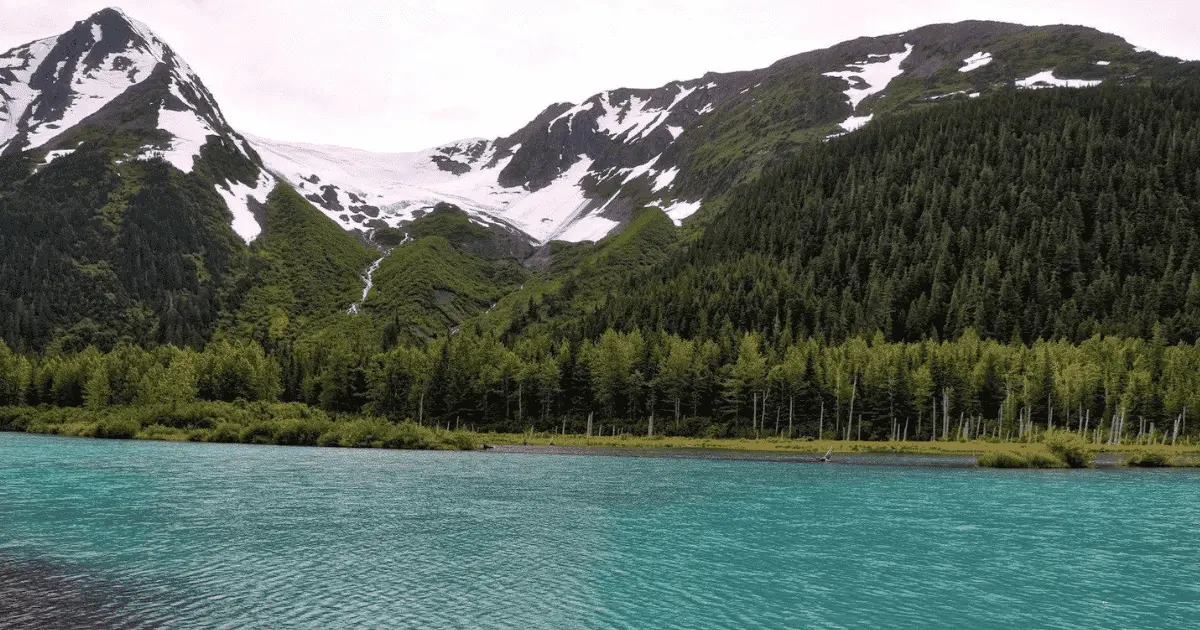
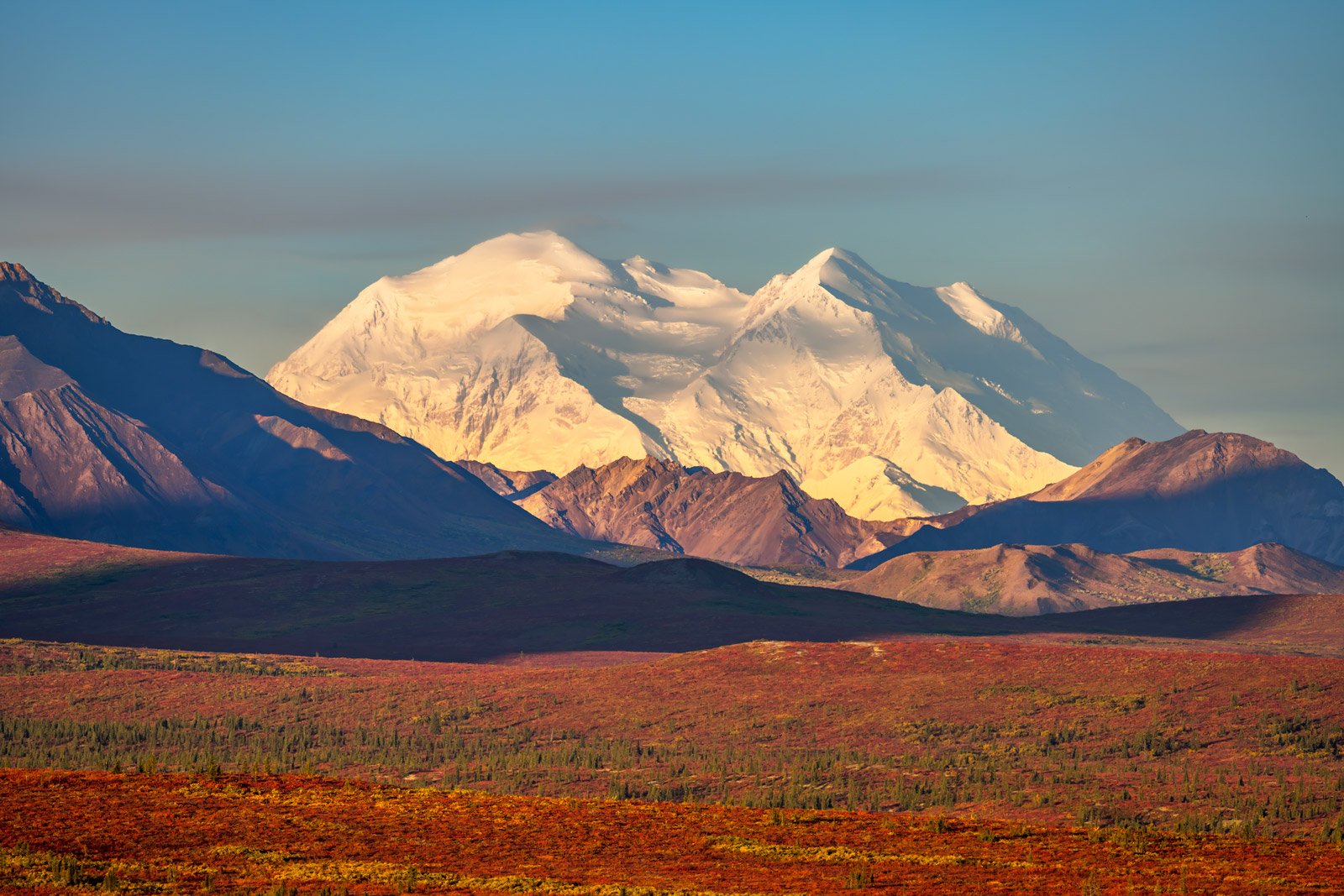
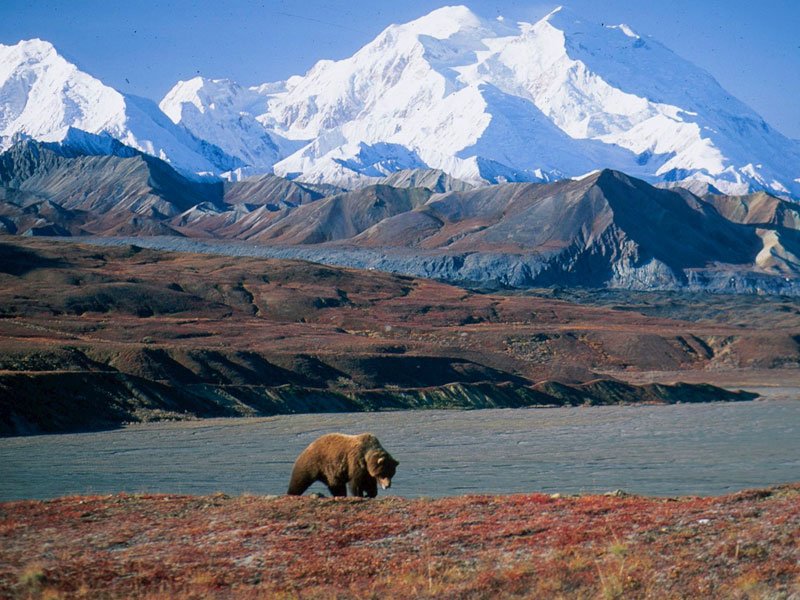
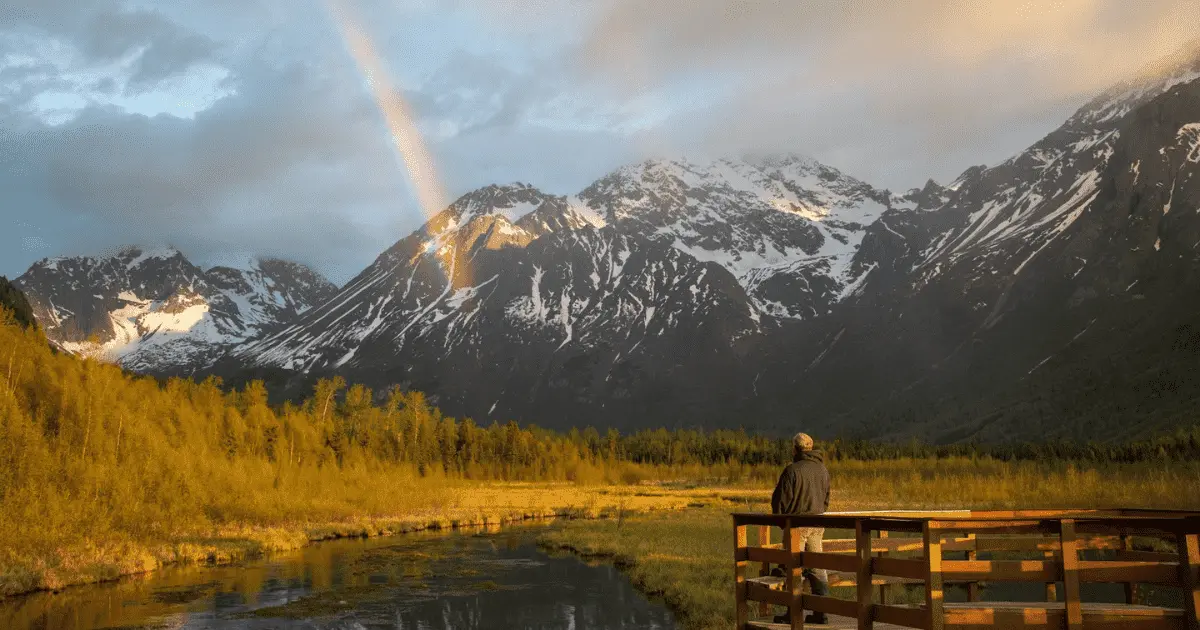
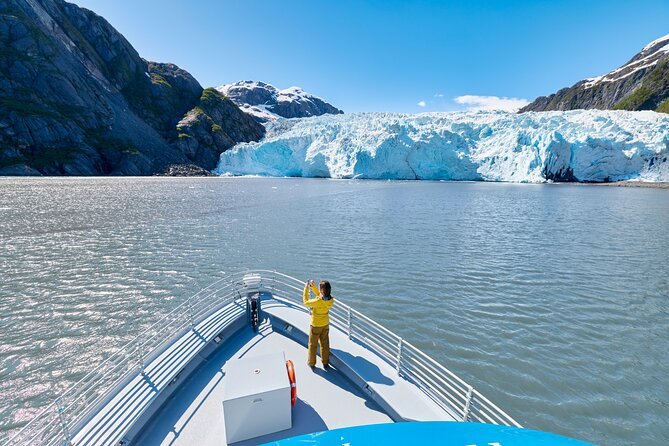
No discussion of Alaska’s parks is complete without highlighting Denali National Park and Preserve, home to North America’s highest peak, Mount Denali (20,310 feet). This vast park, covering over 6 million acres, is a pristine wilderness where wildlife roams freely. Visitors often embark on bus tours along the single park road, offering unparalleled opportunities to spot grizzly bears, caribou, moose, Dall sheep, and wolves in their natural habitat. The sheer scale of the landscape, with its sweeping tundra, braided rivers, and dramatic mountain vistas, is truly humbling, providing a deep sense of connection to the raw power of nature. Access is carefully managed to preserve the wilderness, making every visit a privileged encounter. Further south, Kenai Fjords National Park offers a dramatic contrast with its coastal grandeur. Here, a landscape of jagged mountains meets the sea, where ancient glaciers calve massive icebergs into turquoise waters. Boat tours are the primary way to experience this park, providing close-up views of tidewater glaciers, sea otters, harbor seals, and an incredible diversity of seabirds, including puffins and kittiwakes. Witnessing a glacier calve with a thunderous roar is an unforgettable experience, a powerful reminder of the dynamic forces shaping our planet. The park also features the Harding Icefield, one of only four remaining icefields in the U.S., accessible via a challenging but rewarding hike. Another maritime marvel is Glacier Bay National Park and Preserve, a UNESCO World Heritage site renowned for its stunning tidewater glaciers and abundant marine life. Accessible primarily by cruise ship or small boat, Glacier Bay offers a unique opportunity to witness the rapid geological changes occurring as glaciers retreat and advance. The park is a sanctuary for humpback whales, orcas, sea lions, and diverse bird species. Ranger-led programs on board cruise ships provide educational insights into the park’s ecology and history. Its remote location ensures a profound wilderness experience, where the sounds of nature, from creaking ice to whale blows, dominate the soundscape. |

|
Discovering Alaska’s State Park Gems
|
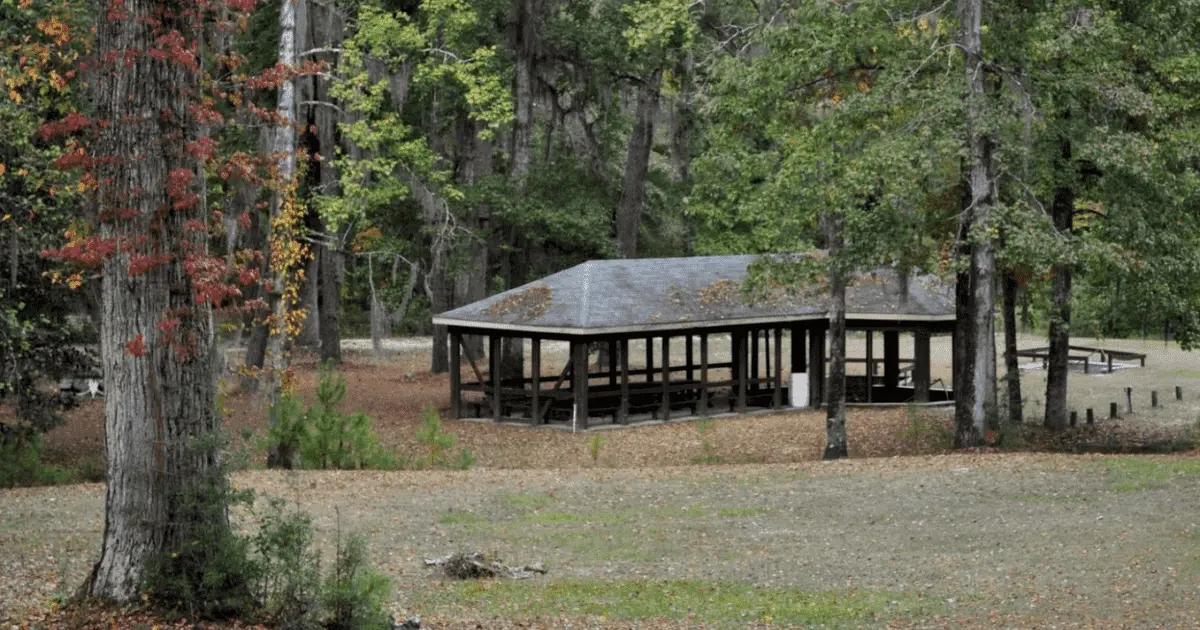
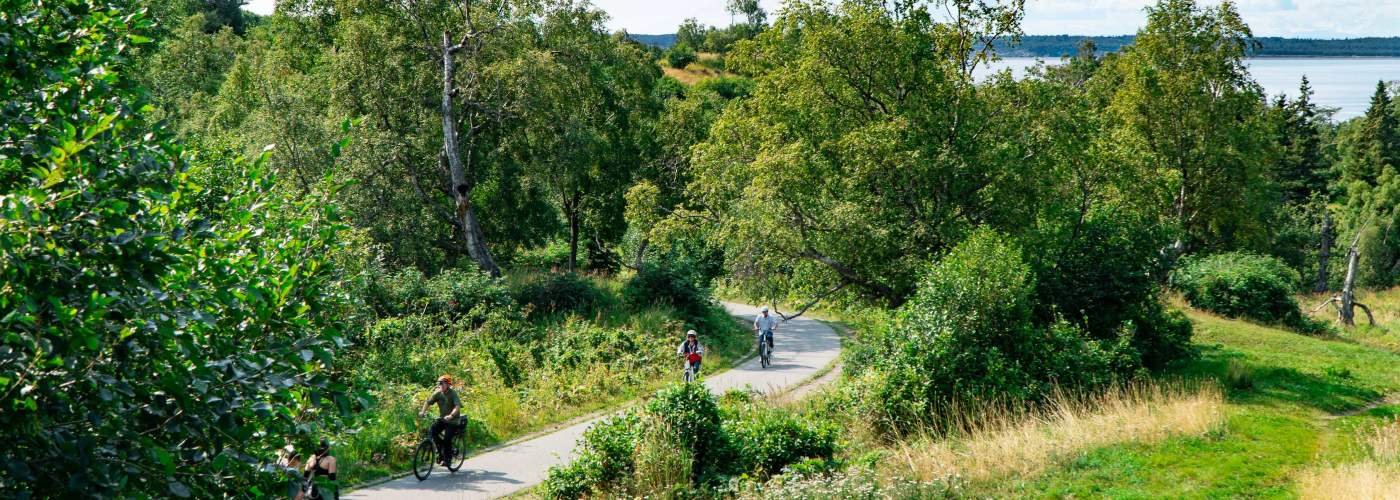
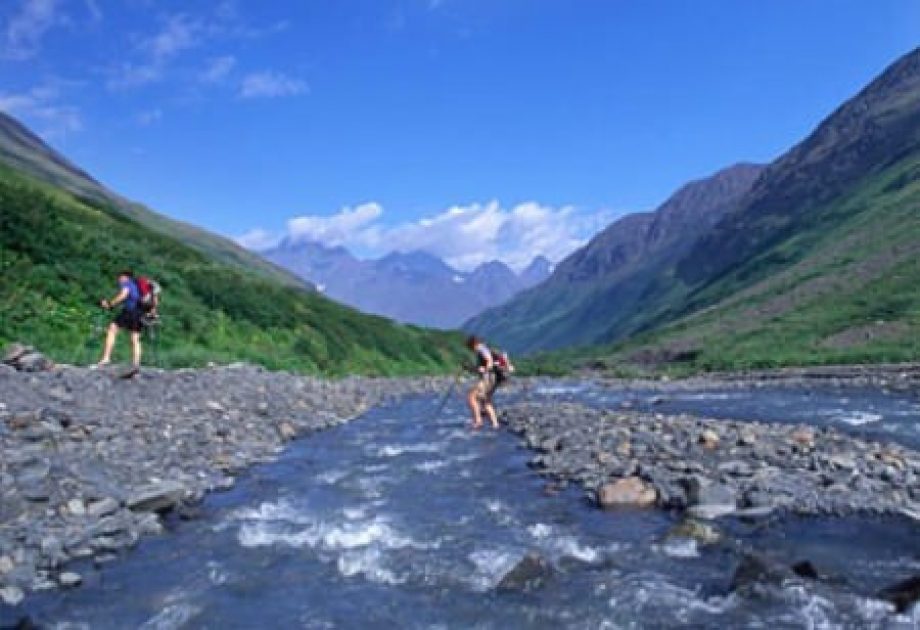
While national parks often capture the spotlight, Alaska’s state parks offer equally stunning natural experiences, frequently with easier access and fewer regulations for activities like camping and fishing. These parks are vital for both local residents and visitors seeking a more relaxed or spontaneous outdoor adventure without the logistical complexities of some remote national park units. They provide a fantastic alternative for those with limited time or who prefer to stay closer to established towns and services. Many state parks are less crowded than their national counterparts, allowing for a more intimate connection with Alaska’s incredible landscapes. One of the most accessible and impressive state parks is Chugach State Park, located just outside Anchorage. Encompassing nearly half a million acres, it’s one of the largest state parks in the nation, offering a vast playground for hiking, fishing, camping, and wildlife viewing. Its diverse terrain includes ice fields, mountains, lakes, and coastal areas, providing breathtaking vistas and trails suitable for all skill levels. Popular spots like Flattop Mountain offer panoramic views of Anchorage and the surrounding wilderness, while the Eklutna Lake area provides opportunities for kayaking, biking, and lakeside camping. Chugach is a testament to Alaska’s commitment to preserving wild spaces even on the fringes of its largest city. Beyond Chugach, other state parks like Kachemak Bay State Park near Homer offer remote, water-access-only adventures, with pristine coves, towering glaciers, and abundant marine life. It’s a paradise for sea kayaking, bear viewing, and wilderness camping. For a glimpse into Alaska’s gold rush history, Independence Mine State Historical Park in the Talkeetna Mountains combines scenic beauty with educational opportunities, allowing visitors to explore historic mining buildings amidst stunning alpine scenery. These state parks collectively showcase the immense variety and accessibility of Alaska’s natural wonders, proving that world-class outdoor experiences aren’t limited to the most famous national destinations. |
Unforgettable Wildlife Encounters & Preservation
|
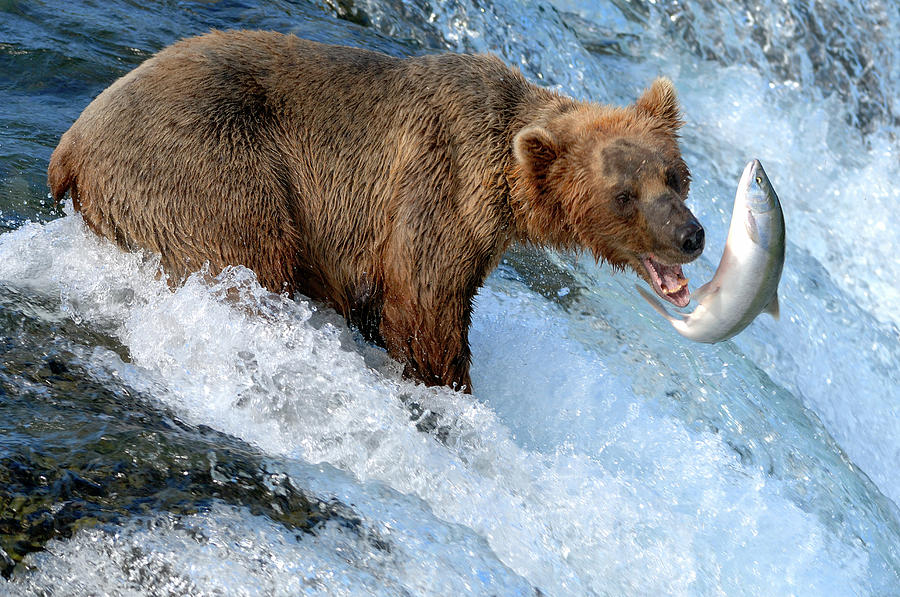
Alaska’s parks are synonymous with extraordinary wildlife. From the iconic grizzly and black bears foraging for salmon and berries to massive moose gracefully navigating wetlands, encounters with animals are a highlight of any Alaskan adventure. The skies are patrolled by majestic bald eagles, while caribou herds migrate across vast tundras. In coastal parks like Kenai Fjords and Glacier Bay, the marine world comes alive with humpback whales breaching, orcas hunting, sea otters playfully floating, and colonies of seabirds nesting on rocky cliffs. These parks serve as critical habitats, providing sanctuary for species that are increasingly threatened in other parts of the world, making responsible viewing practices paramount for visitors. The establishment and continued protection of Alaska’s parks represent a monumental commitment to conservation. These vast wilderness areas play a crucial role in maintaining biodiversity, preserving pristine ecosystems, and allowing natural processes to unfold without significant human interference. Organizations like the National Park Service and Alaska State Parks actively engage in research, habitat restoration, and public education to ensure these natural treasures endure for future generations. Visitors are encouraged to adhere to “Leave No Trace” principles, maintain safe distances from wildlife, and respect the fragile balance of these ecosystems. By supporting these parks, we contribute to the global effort of preserving Earth’s last great wild places. |
|
Planning Your Unforgettable Alaskan Park Adventure
Embarking on an Alaskan park adventure requires careful planning to maximize your experience and ensure safety. The best time to visit most parks is during the summer months, from June to August, when temperatures are milder, daylight hours are long, and wildlife is most active. However, this is also peak season, so expect more crowds and higher prices. Spring (May) and Fall (September) offer unique beauty, fewer visitors, and potential savings, but with cooler weather and shorter daylight. Packing layers is crucial, as Alaskan weather can change rapidly from sunny to rainy to chilly even in summer. Essential gear includes waterproof outerwear, sturdy hiking boots, insect repellent, and bear spray (and knowledge on how to use it).
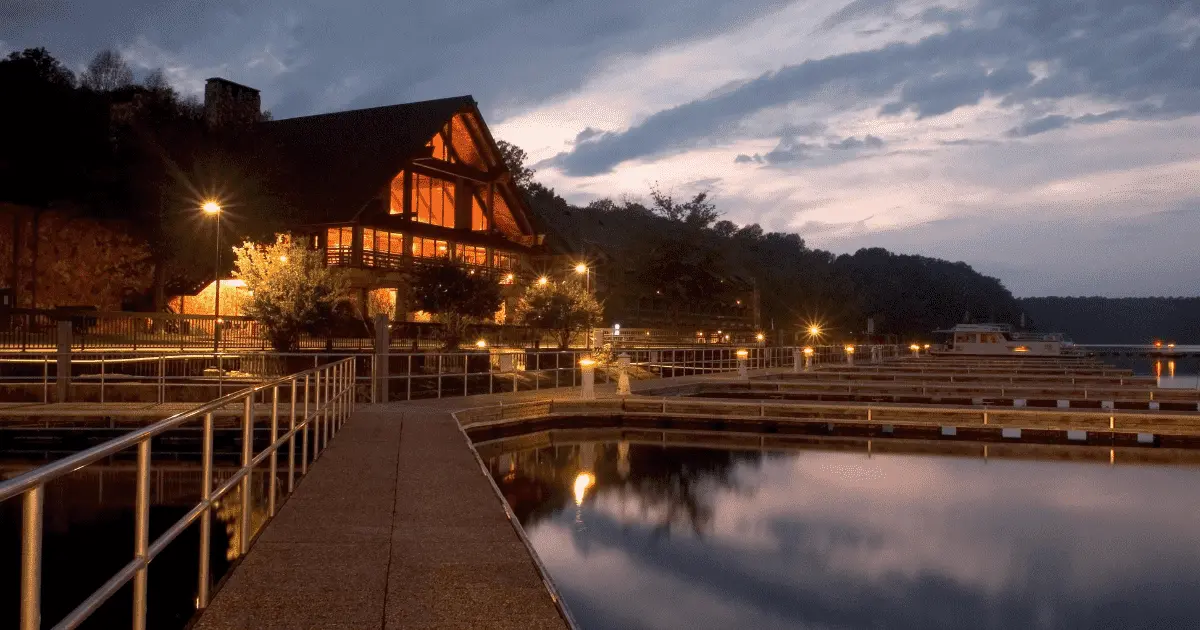
Transportation within Alaska can be an adventure in itself. While rental cars are suitable for accessing state parks and some national park entrances (like Denali’s front country), many remote national park units require specialized transport. Bush planes are a common and exhilarating way to reach backcountry areas, offering breathtaking aerial views. The Alaska Marine Highway System (ferry) provides access to coastal communities and parks. For those seeking structured experiences, guided tours, from multi-day backpacking trips to wildlife cruises, are abundant and often provide invaluable local expertise and equipment. Accommodation ranges from rustic backcountry cabins and campgrounds to comfortable lodges and hotels in gateway communities.
Safety and preparedness are paramount when venturing into Alaska’s wilderness. Always inform someone of your itinerary, carry a satellite communication device for remote areas, and be prepared for self-rescue. Bear safety is a critical concern; carry bear spray, know how to store food properly, and make noise on trails. Respecting wildlife by maintaining safe distances and never feeding animals is essential for both your safety and their well-being. Practicing “Leave No Trace” principles—packing out everything you pack in, staying on marked trails, and minimizing your impact—ensures that these magnificent parks remain pristine for generations to come. Your adventure in Alaska’s parks will be as rewarding as your preparation allows.
Final Thoughts
Alaska’s parks are more than just destinations; they are experiences that redefine one’s understanding of wilderness. From the colossal peaks of Denali to the dynamic icescapes of Kenai Fjords and the serene beauty of its state parks, each offers a unique window into a landscape that remains largely untouched by the modern world. These protected areas are vital sanctuaries for an incredible array of wildlife and serve as powerful reminders of nature’s grandeur and resilience. As you plan your visit, remember that proper preparation, respect for the environment, and an open heart for adventure will unlock the deepest secrets of this magnificent state. The Last Frontier awaits, promising memories that will last a lifetime and a renewed appreciation for the wild heart of our planet.