Unveiling Alaska’s Wild Side: A Guide to Its Majestic Parks & Wilderness
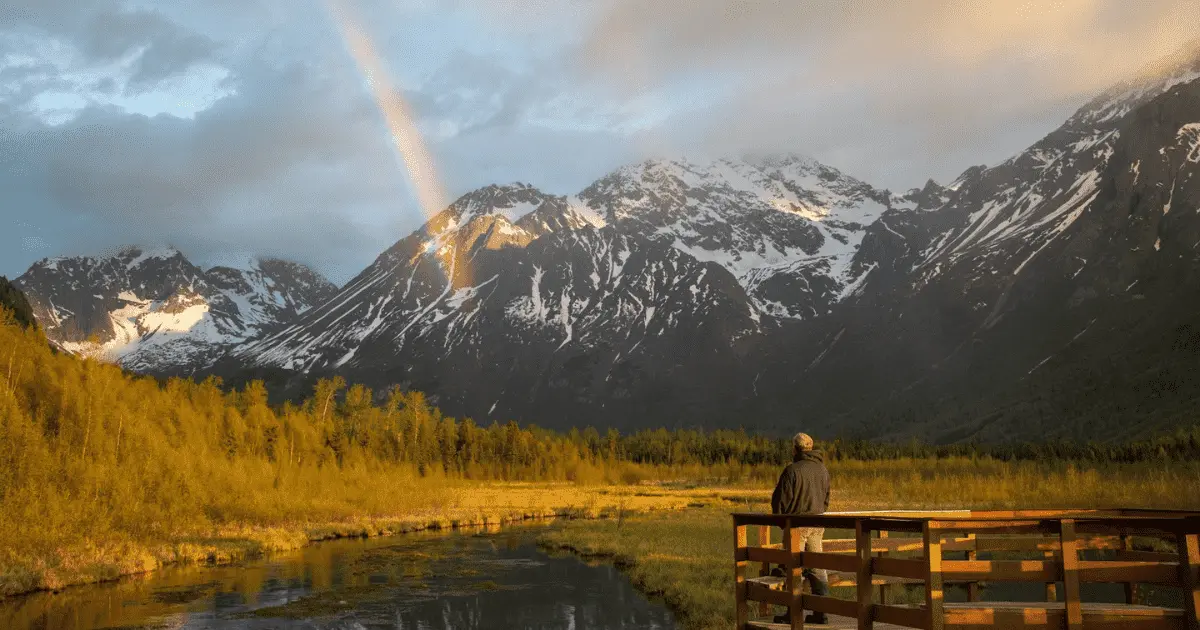
Alaska, often called “The Last Frontier,” is a realm of unparalleled natural grandeur, boasting some of the most pristine and expansive wilderness areas on Earth. Far from the bustling metropolises, this northernmost state offers an escape into a landscape dominated by towering mountains, ancient glaciers, vast forests, and a coastline teeming with marine life. Its national parks and preserves are not just protected lands; they are living testaments to the raw power and delicate balance of nature. For adventurers, wildlife enthusiasts, and those seeking profound solitude, Alaska’s parks present an irresistible call to explore the untamed heart of North America. This article delves into the magnificent parks of Alaska, highlighting their unique features, the incredible experiences they offer, and essential tips for responsible exploration.
The Untamed Wilderness: An Overview of Alaska’s National Parks

|
Alaska is home to 8 national parks, 16 national wildlife refuges, and numerous state parks, collectively protecting over 100 million acres of land. To put that into perspective, this protected area is larger than the entire state of California. These vast expanses ensure the preservation of diverse ecosystems, from the temperate rainforests of the Panhandle to the Arctic tundra, and provide critical habitats for iconic wildlife such as grizzly bears, caribou, moose, and bald eagles. The sheer scale and remoteness of many of these parks mean that large portions remain largely untouched by human development, offering a truly wild experience. This commitment to conservation underscores Alaska’s unique role in global ecological preservation. Unlike many national parks in the Lower 48, which are often easily accessible by road, several of Alaska’s parks require bush plane flights, boat charters, or extensive backcountry travel to reach. This inherent challenge is precisely what preserves their pristine nature and contributes to their allure. Visitors willing to embark on these journeys are rewarded with unparalleled opportunities for solitude, adventure, and intimate encounters with nature. The National Park Service estimates that only about 3 million people visit Alaska’s national parks annually, a fraction compared to more accessible parks like Great Smoky Mountains or Grand Canyon, emphasizing the untouched quality of these northern gems. |
Denali National Park and Preserve: Crown Jewel of the North
|
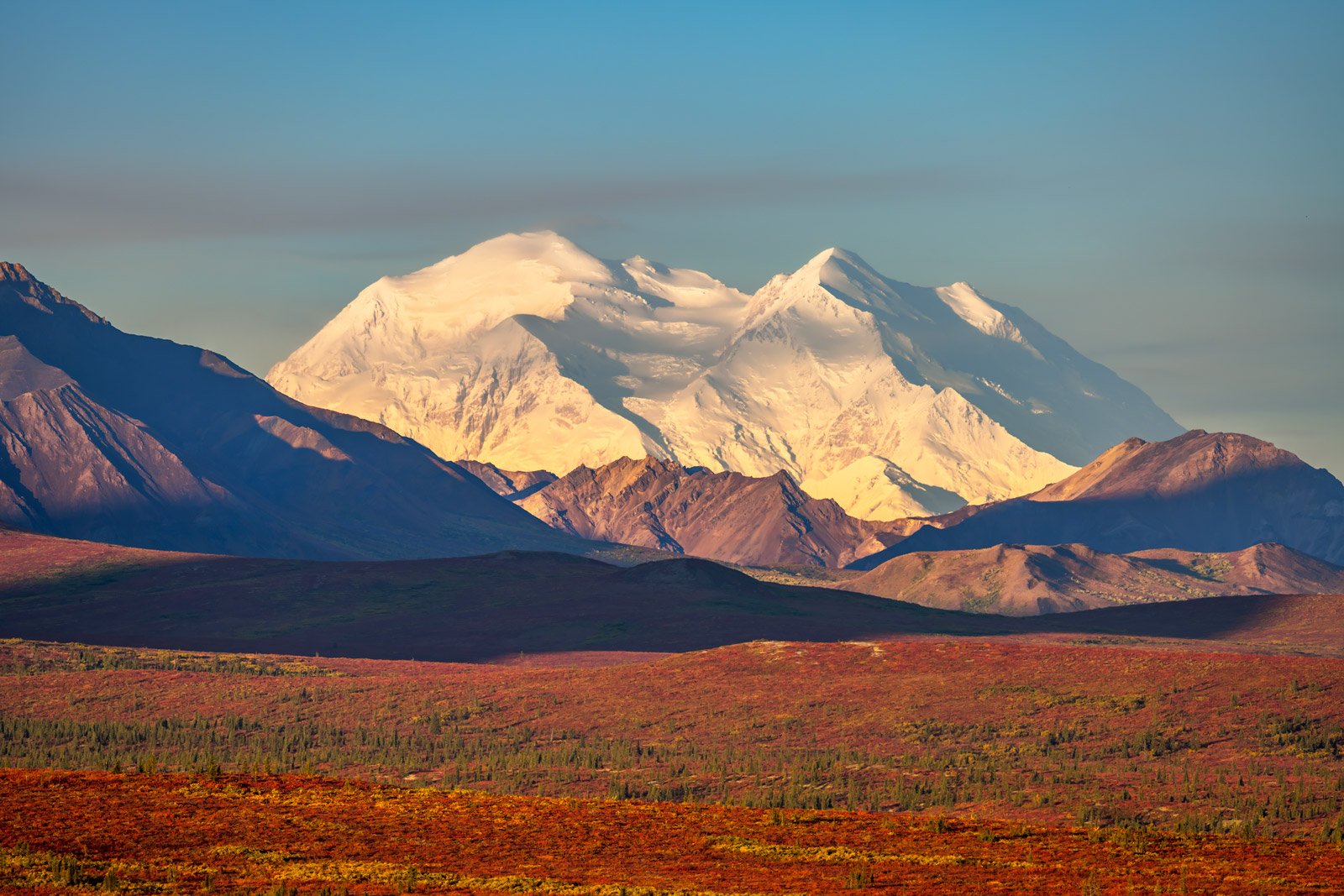
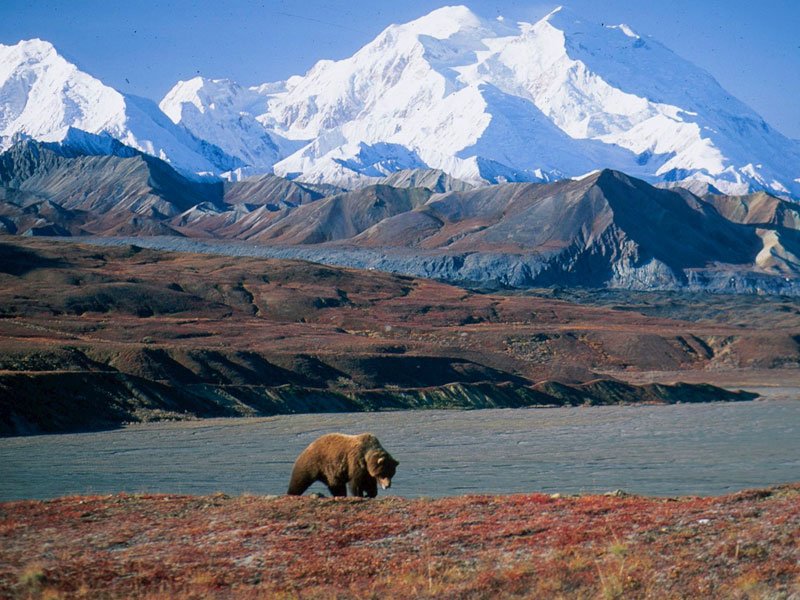
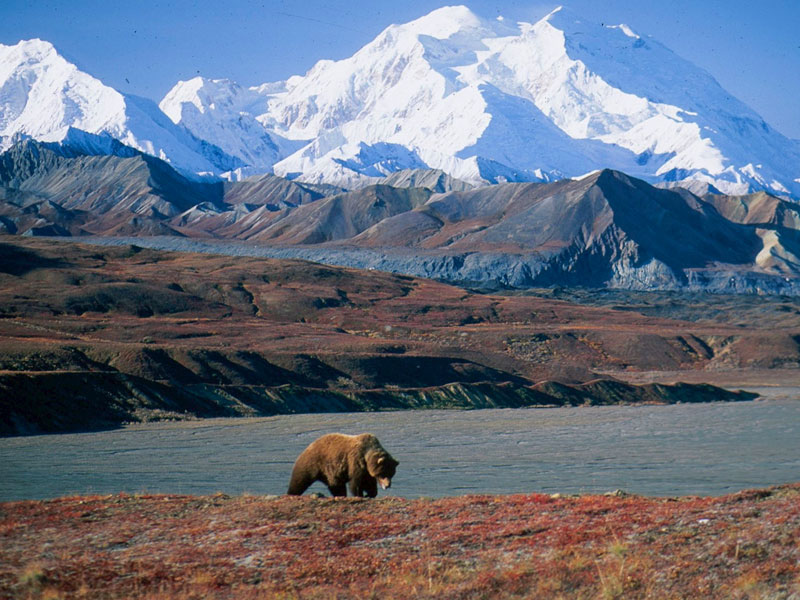
Denali National Park and Preserve is arguably Alaska’s most famous park, dominated by North America’s highest peak, Denali (formerly Mount McKinley), soaring to 20,310 feet. This park spans over 6 million acres, a landscape of taiga forest, alpine tundra, and snow-capped mountains. What truly sets Denali apart is its commitment to preserving a wild, untrammeled experience. Most of the park is only accessible via a single 92-mile road, with private vehicles restricted beyond the first 15 miles. Visitors rely on a highly organized bus system, which offers narrated tours and shuttle services, providing excellent opportunities for wildlife viewing and minimizing human impact on the delicate ecosystem. Wildlife encounters are a major draw, with sightings of the “Big Five”: grizzly bears, wolves, moose, caribou, and Dall sheep. According to park rangers, the best time for wildlife viewing is often early morning or late evening, particularly along the park road. Beyond bus tours, Denali offers extensive backcountry hiking, mountaineering challenges on Denali itself, and opportunities for photography that capture the raw beauty of the Alaskan wilderness. Expert insights suggest that even a short stay can provide profound appreciation for the park’s scale and its resilient inhabitants. Planning ahead is crucial, as accommodations and bus reservations book up months in advance, especially during the peak summer season. |
|
Glacier Bay National Park and Preserve: Where Ice Meets Ocean
|
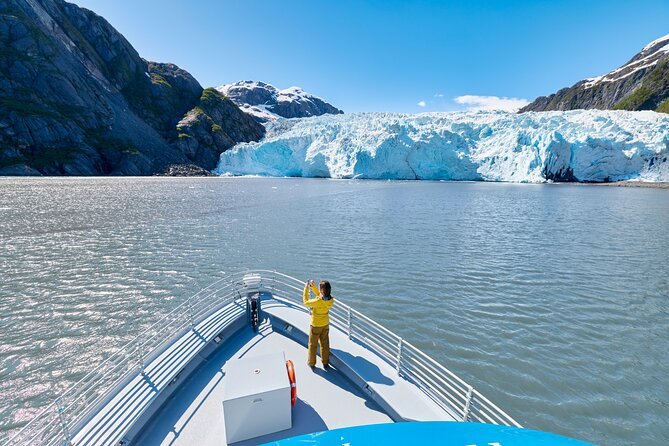
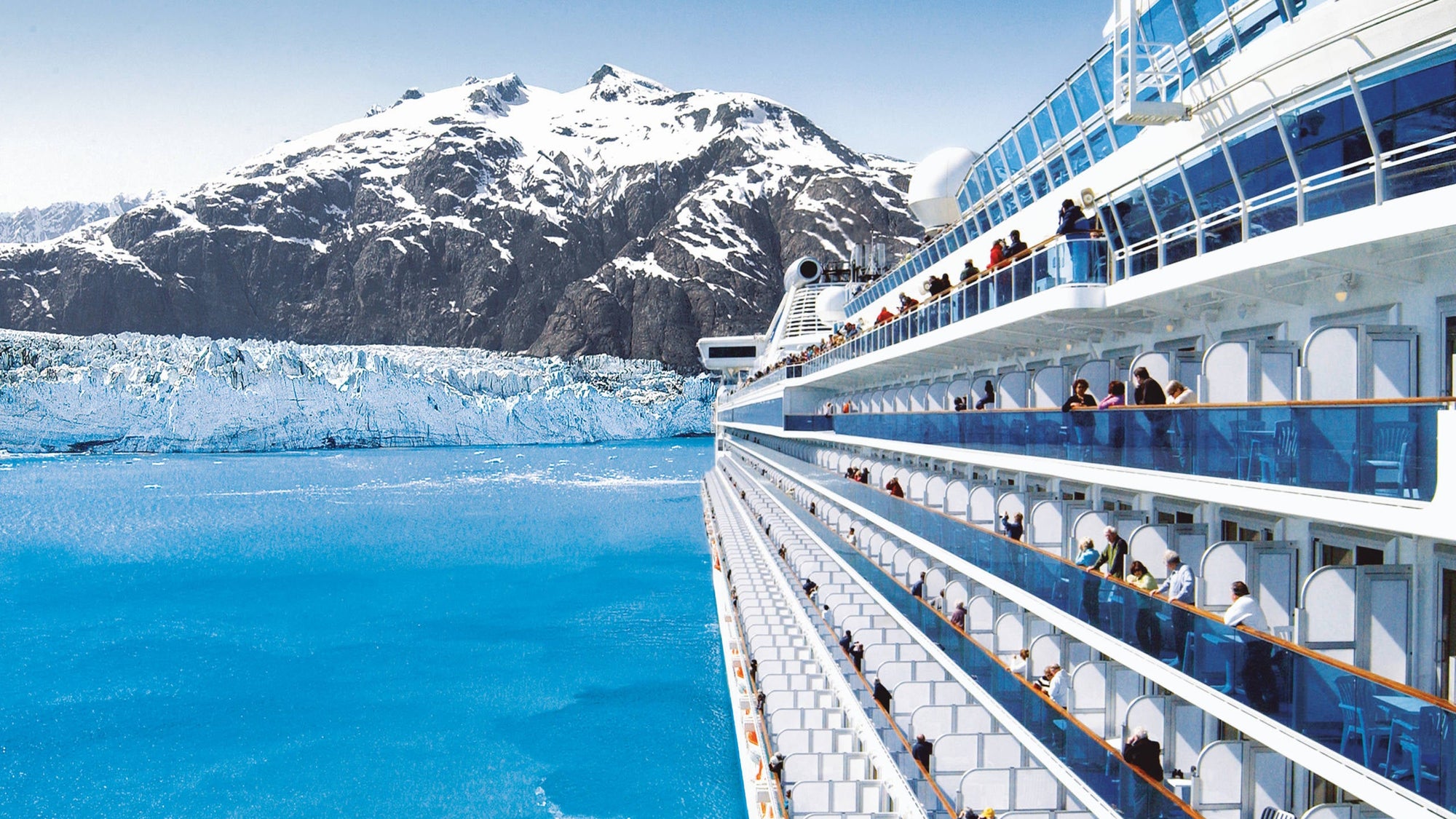
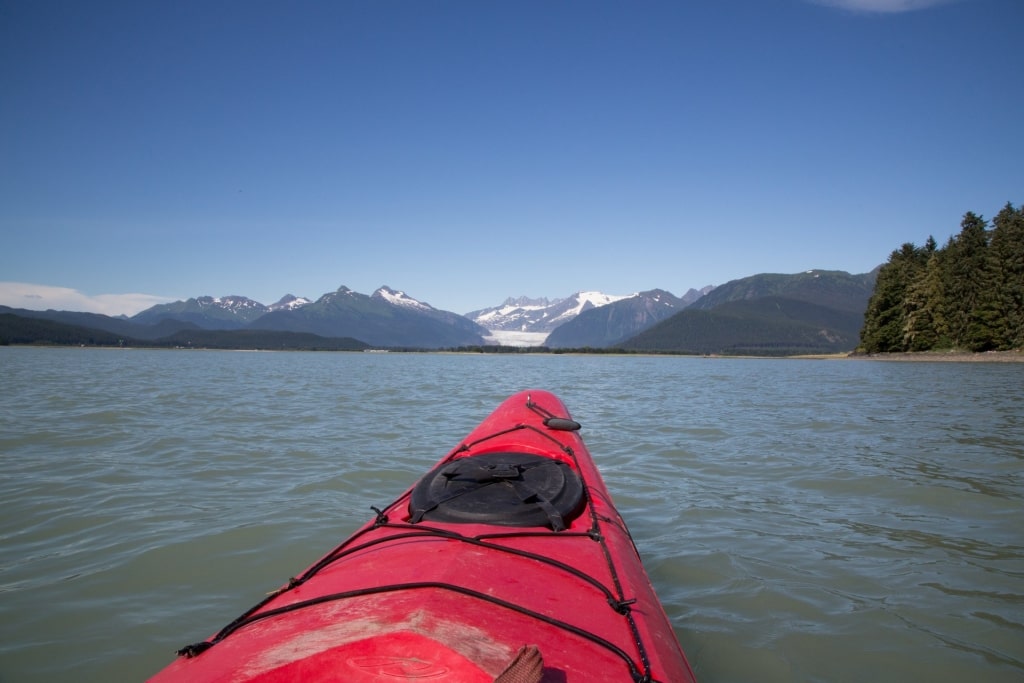
Glacier Bay National Park and Preserve, located in Southeast Alaska, is a marine wilderness encompassing over 3.3 million acres of rugged mountains, dynamic glaciers, and protected waterways. A UNESCO World Heritage Site, it’s a prime example of glacial retreat and ecological succession. The park is best explored by boat, with daily tour vessels and cruise ships offering spectacular views of tidewater glaciers actively calving colossal chunks of ice into the sea. This dramatic process creates thunderous roars and immense waves, a truly unforgettable natural spectacle. Kayaking and small ship cruises allow for more intimate exploration of the fjords and inlets, providing closer access to the vibrant marine ecosystem. The waters of Glacier Bay teem with life, including humpback whales, orcas, sea otters, harbor seals, and an abundance of seabirds. On land, visitors might spot brown bears, black bears, moose, and mountain goats. The park’s dynamic environment means that the landscape is constantly changing, with glaciers advancing and retreating, shaping new fjords and exposing fresh land. Expert naturalists often accompany tours, offering invaluable insights into the geology, glaciology, and biology of this unique ecosystem. Visitors are encouraged to spend time on deck, scanning the waters for wildlife and listening for the telltale sounds of calving ice, ensuring a truly immersive experience. |
Kenai Fjords National Park: Coastal Wonders and Wildlife
|
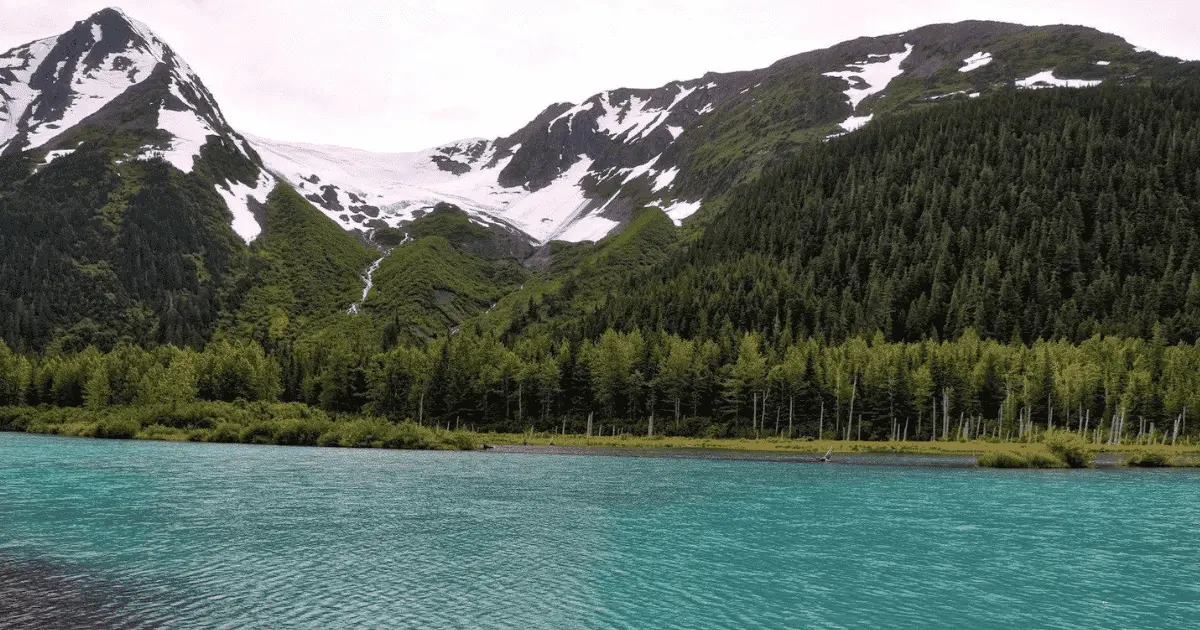
Easily accessible from the town of Seward, Kenai Fjords National Park protects 607,000 acres on the Kenai Peninsula, where the Harding Icefield, one of the largest icefields in the United States, descends into a rugged coastline of fjords and islands. This park offers a striking blend of icy landscapes and vibrant marine habitats. Boat tours are the most popular way to experience the park, navigating through deep fjords to witness tidewater glaciers, sea caves, and a rich array of wildlife. These tours often include opportunities to see humpback whales, orcas, puffins, sea lions, and seals in their natural environment, making it a wildlife photographer’s paradise. For those seeking a more active adventure, hiking to the Exit Glacier, the only road-accessible glacier in the park, provides an incredible opportunity to walk near the ice. The Harding Icefield Trail, a strenuous 8.2-mile roundtrip hike, rewards climbers with panoramic views of the vast icefield and surrounding mountains. This trail offers a tangible connection to the immense forces that shaped this landscape. Ranger-led programs are available during the summer, offering educational insights into the park’s glaciology and ecology. Kenai Fjords serves as an excellent gateway for visitors looking for a relatively accessible yet profoundly Alaskan wilderness experience, blending marine exploration with dramatic glacial scenery. |
|
Gates of the Arctic National Park and Preserve: The Ultimate Frontier

|
Gates of the Arctic National Park and Preserve is the United States’ northernmost national park and its second-largest, sprawling across 8.4 million acres entirely north of the Arctic Circle. It is a park without roads, trails, or developed facilities, representing the epitome of untouched wilderness. This is a place for true adventurers, those seeking profound solitude and a deep connection with the wild. Access is exclusively by bush plane, typically from towns like Bettles or Fairbanks, landing on lakes, rivers, or remote gravel bars. Visitors must be entirely self-sufficient, possessing advanced wilderness skills and a thorough understanding of Arctic conditions. The park’s name comes from two mountains, Frigid Crags and Boreal Mountain, which flank the North Fork of the Koyukuk River, forming a “gateway” into the central Brooks Range. Activities here include backpacking, river floating, wildlife viewing (caribou, grizzly bears, wolves), and simply experiencing the vast silence of the Arctic. Given the extreme remoteness and potential dangers, including unpredictable weather and wildlife encounters, the National Park Service strongly recommends that visitors have extensive wilderness experience or hire a professional guide. This park offers an unparalleled opportunity to witness an ecosystem largely unchanged by human presence, a truly humbling experience for those brave enough to venture into its depths. |
Planning Your Alaskan Park Adventure: Tips for Responsible Exploration
|
Visiting Alaska’s national parks requires careful planning and a deep respect for the environment. Firstly, research is paramount. Each park has unique access requirements, regulations, and potential hazards. Understanding the best time to visit for your desired activities, whether it’s wildlife viewing, hiking, or glacier exploration, will significantly enhance your experience. Book accommodations, flights, and tours well in advance, especially for popular parks like Denali and Glacier Bay, as availability can be extremely limited during the peak summer months. Consider travel insurance, particularly for remote trips involving bush planes, as weather can cause significant delays or cancellations. Embracing the “Leave No Trace” principles is crucial in these pristine environments. Pack out everything you pack in, stay on designated trails where they exist, and minimize your impact on vegetation and wildlife. Bear safety is another critical aspect; carry bear spray, know how to use it, and understand proper food storage techniques. Always give wildlife ample space and never approach or feed animals. Dress in layers, as Alaskan weather can be highly unpredictable, even in summer. By preparing thoroughly and adhering to responsible wilderness ethics, you contribute to the preservation of these magnificent landscapes for future generations, ensuring that Alaska remains the wild, untamed frontier we cherish. |

|
Final Thoughts
Alaska’s national parks offer an unparalleled opportunity to connect with nature on a grand scale. From the towering majesty of Denali to the calving glaciers of Glacier Bay and the untouched wilderness of Gates of the Arctic, each park presents a unique facet of this incredible state. These protected lands are vital ecosystems, home to an array of iconic wildlife and offering experiences that transform those who venture into their depths. While visiting requires thoughtful preparation and a commitment to responsible tourism, the rewards—moments of profound beauty, exhilarating adventure, and deep personal reflection—are immeasurable. As we look to the future, the preservation of these wild spaces remains paramount, ensuring that Alaska continues to inspire and awe for generations to come. Embrace the call of the wild, and discover the magic of Alaska’s majestic parks.