Unveiling Alaska’s Wild Side: A Guide to Its Majestic Parks & Wilderness
Alaska, often dubbed “The Last Frontier,” is a land of unparalleled natural beauty and raw wilderness. Spanning over 663,000 square miles, it boasts an incredible diversity of landscapes, from towering snow-capped mountains and colossal glaciers to vast tundra and pristine coastlines. For outdoor enthusiasts and nature lovers, Alaska’s parks offer an escape into truly untamed territory, where wildlife roams freely and the silence of nature is profound. This comprehensive guide will take you on a journey through the majestic parks of Alaska, exploring their unique characteristics, incredible biodiversity, and what makes each a must-visit destination for those seeking an authentic wilderness experience. Prepare to be inspired by the sheer scale and breathtaking beauty of America’s wildest state, where adventure truly knows no bounds.
The Grandeur of Alaska’s National Parks: Scale and Splendor

Alaska is home to eight national parks, two national preserves, and numerous state parks, collectively protecting an astonishing array of ecosystems. These protected areas are not merely recreational sites; they are vast, living laboratories where natural processes unfold on a grand scale. Unlike many national parks in the Lower 48, Alaskan parks often lack extensive road systems, emphasizing backcountry exploration and self-sufficiency. This remoteness is a core part of their allure, offering visitors a chance to experience true solitude and an unfiltered connection with nature. The sheer size of these parks is difficult to comprehend; for instance, Wrangell-St. Elias National Park and Preserve alone is larger than Switzerland, encompassing some of North America’s highest peaks and largest glaciers. This park, a UNESCO World Heritage Site, protects a staggering 13.2 million acres, making it the largest national park in the United States. Its diverse terrain includes four major mountain ranges and a dynamic volcanic landscape, providing habitat for a wide variety of wildlife, from Dall sheep to grizzly bears.
The federal government, through the National Park Service, manages over 54 million acres in Alaska, a testament to the state’s incredible conservation value. This vast network includes some of the most remote and least-visited national parks in the country, attracting adventurers who seek challenges beyond typical tourist trails. From the volcanic landscapes of Katmai National Park, famous for its brown bears fishing for salmon at Brooks Falls, to the rugged, ice-carved coasts of Kenai Fjords, each park presents a distinct facet of Alaska’s wild character. Understanding the scale and wildness of these areas is the first step in appreciating the profound experiences they offer, demanding respect for their untamed nature and careful planning for any visit. These parks are not just destinations; they are immersive experiences that challenge and reward, offering a glimpse into a world where nature still dictates the rules.
Denali National Park and Preserve: Crown Jewel of the North

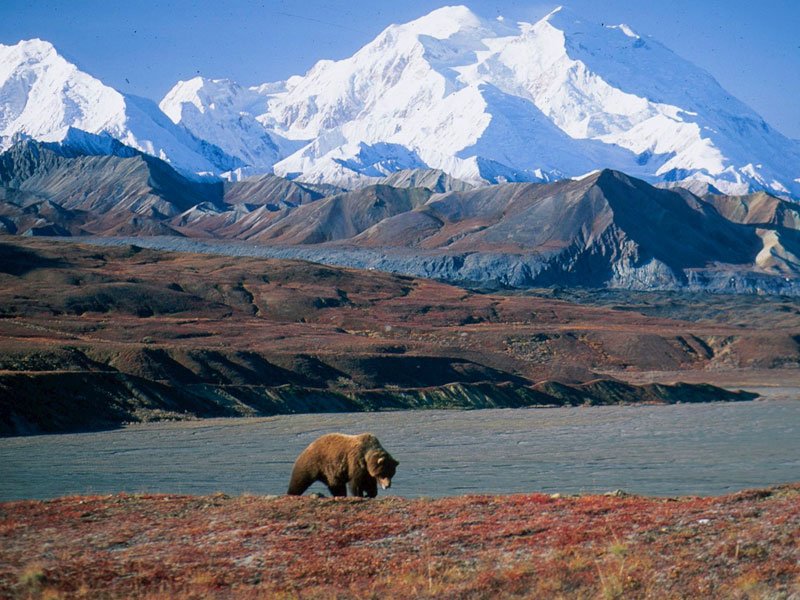
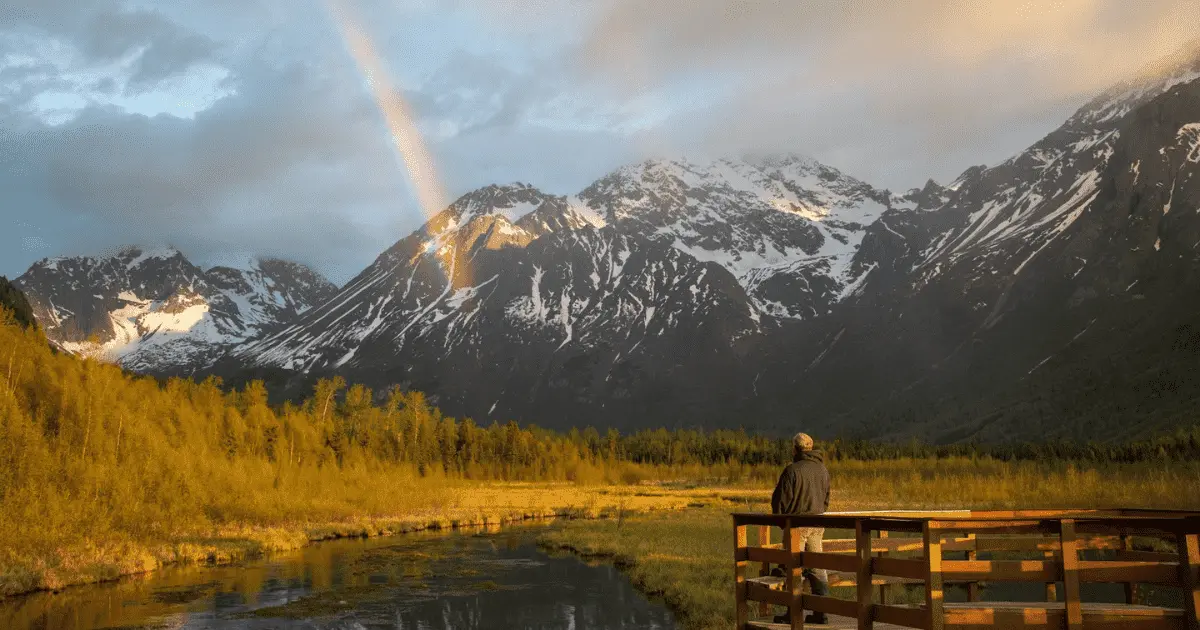
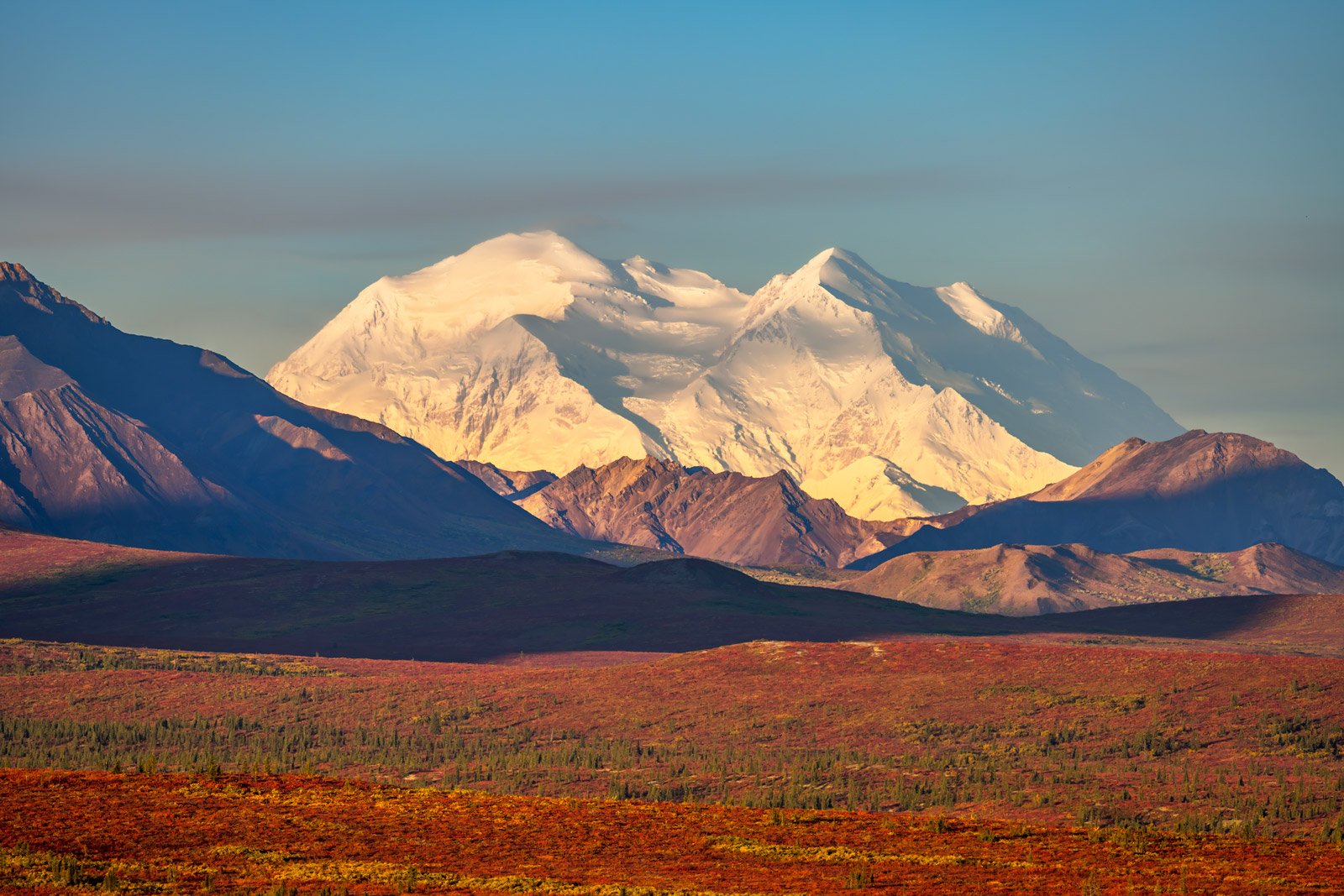
Denali National Park and Preserve is arguably Alaska’s most iconic park, centered around North America’s highest peak, Denali (formerly Mount McKinley), standing at 20,310 feet. This immense wilderness spans six million acres, a mosaic of forests, alpine tundra, and glaciers. Visitors are drawn to Denali primarily for its unparalleled wildlife viewing opportunities, with grizzly bears, caribou, moose, Dall sheep, and wolves frequently spotted along the park road. The park’s single road limits private vehicle access, with a bus system offering guided tours and transit options, designed to minimize human impact and maximize wildlife encounters in their natural habitat. Statistics show that over 600,000 visitors come to Denali annually, with a significant portion hoping to catch a glimpse of the “Big Five” Alaskan animals.
Beyond wildlife, Denali offers a spectrum of activities for all levels of adventurers. Backpacking in the vast, trailless backcountry provides an experience of profound solitude, requiring permits and strong navigation skills. Shorter, maintained trails near the park entrance, such as the Horseshoe Lake Trail or Savage River Loop, offer stunning views and a taste of the wilderness without needing extensive planning. Mountaineering expeditions to Denali itself are a world-renowned challenge for experienced climbers, drawing individuals from across the globe to test their limits against one of the planet’s most formidable peaks. Expert insights from seasoned rangers emphasize the importance of preparedness and respect for the unpredictable Alaskan weather.
Furthermore, Denali’s landscape is a geological marvel, shaped by tectonic forces and glacial erosion. The vibrant wildflowers that carpet the tundra in summer, the golden hues of autumn, and the stark beauty of winter all contribute to its captivating allure. Ranger-led programs and visitor centers throughout the park provide invaluable insights into its ecology, geology, and cultural history, enriching the visitor experience. Visiting Denali is not just a trip; it’s an immersion into a vibrant ecosystem where nature reigns supreme, offering an educational and awe-inspiring adventure that leaves a lasting impression on all who venture into its wild heart.
Glacier Bay National Park and Preserve: Where Ice Meets Ocean

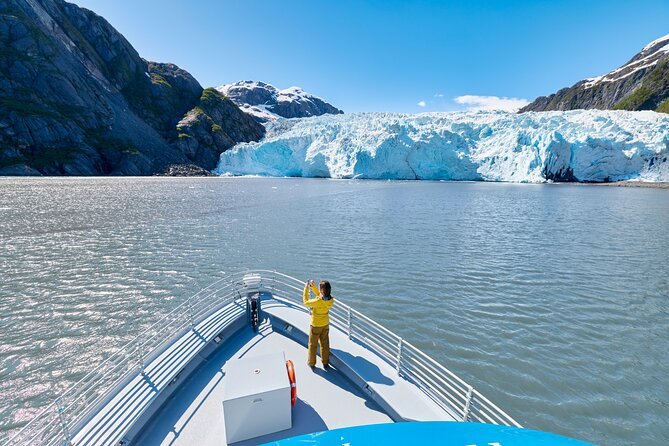
Glacier Bay National Park and Preserve, a UNESCO World Heritage Site, is a spectacular marine wilderness renowned for its tidewater glaciers, towering peaks, and abundant marine life. Accessible primarily by boat or plane, this park offers a unique opportunity to witness glaciers actively calving, sending massive chunks of ice crashing into the sea with thunderous roars. Over 1,000 glaciers adorn the mountains, with several actively retreating or advancing, providing a dynamic landscape that constantly changes. The marine environment teems with life, including humpback whales, orcas, sea otters, harbor seals, and various seabirds, making it a prime destination for wildlife photography and observation. The park’s diverse marine ecosystem supports an estimated 200 species of fish, 20 species of marine mammals, and over 270 species of birds.
Cruises, both large and small, are the most popular way to experience Glacier Bay, navigating its intricate fjords and allowing passengers to get up close to the magnificent ice formations. These cruises often feature onboard naturalists who provide expert commentary on the geology, wildlife, and history of the area. For a more intimate exploration, kayaking and guided ranger programs offer visitors the chance to paddle among icebergs and explore secluded coves, feeling the chill of the ancient ice and the spray of the ocean. This direct interaction with the environment offers a profound sense of connection to the wild.
The park’s ecosystem is a living lesson in glacial recession and ecological succession, with new land constantly being exposed as glaciers recede, allowing pioneering plant and animal species to colonize. Scientists frequently study Glacier Bay to understand the impacts of climate change on glacial systems and their surrounding environments. A visit here is a powerful reminder of the Earth’s dynamic geological processes and the resilience of life in extreme conditions. It’s an opportunity not just to observe, but to learn and reflect on humanity’s role in a changing world.
Kenai Fjords National Park: Accessible Coastal Wilderness

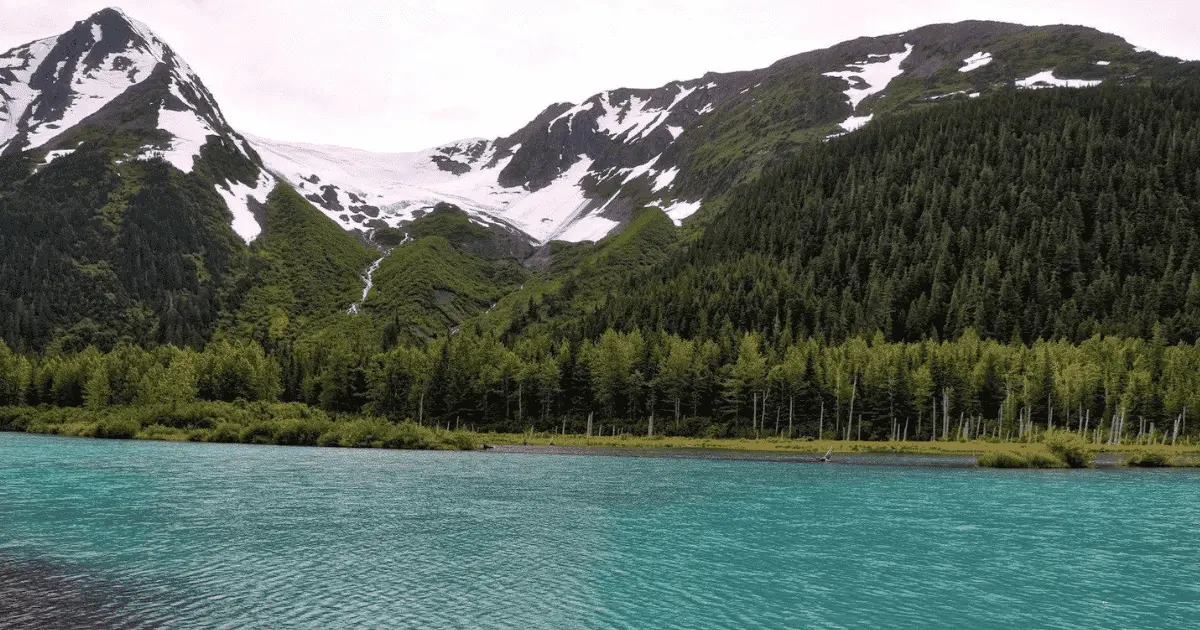
For those seeking a taste of Alaska’s coastal wilderness without venturing too far off the beaten path, Kenai Fjords National Park offers an ideal blend of accessibility and spectacular natural beauty. Located near the charming town of Seward, this park is famous for its dramatic fjords carved by glaciers, leading directly into the Gulf of Alaska. The park’s crown jewel is the Harding Icefield, one of the largest icefields entirely within the United States, which feeds nearly 40 glaciers, including the accessible Exit Glacier. Visitors can hike the popular Harding Icefield Trail for panoramic views, or walk to the toe of Exit Glacier for an up-close experience with millennia-old ice, making it a truly immersive glacial encounter.
The vast majority of visitors experience Kenai Fjords via boat tours, which depart regularly from Seward. These tours navigate the rugged coastline, offering unparalleled opportunities for wildlife viewing, including puffins, sea lions, harbor seals, and various whale species such as humpbacks and orcas feeding in the nutrient-rich waters. The dramatic cliffs, sea caves, and secluded coves carved by the relentless ocean provide breathtaking scenery, a stark contrast to the vast tundras of interior Alaska. Expert guides often share fascinating facts about the marine ecosystem and the history of the region, enhancing the experience.
Kayaking within the calm waters of the fjords offers an even more immersive and personal experience, allowing paddlers to navigate quietly and discover hidden natural wonders. The park’s relative accessibility, with Seward being a popular cruise port and a manageable drive from Anchorage, makes it a highly recommended destination for families and adventurers of all ages. Kenai Fjords provides a perfect gateway to understanding Alaska’s dynamic coastal ecosystems and the profound impact of glacial forces on the landscape, blending wild beauty with convenient exploration.
Gates of the Arctic National Park and Preserve: Untamed Frontier
Gates of the Arctic National Park and Preserve stands as America’s northernmost national park and one of its most remote and least-visited. Encompassing a vast 8.4 million acres of pristine wilderness entirely above the Arctic Circle, it is a land without roads, trails, or developed facilities. This park is a true haven for experienced backcountry adventurers seeking an unparalleled wilderness experience, where the only way in is by bush plane, and survival skills are paramount. Its name comes from the two mountains, Frigid Crags and Boreal Mountain, which flank the Koyukuk River, forming a majestic “gateway” into the central Brooks Range. This park truly embodies the spirit of an untamed frontier, a place where nature’s raw power is fully on display.
The park’s landscape is dominated by the rugged Brooks Range, expansive tundra, and six Wild and Scenic Rivers, including the Alatna, John, Kobuk, and Noatak. It is home to large populations of caribou, grizzly bears, Dall sheep, and wolves, all exquisitely adapted to the harsh Arctic environment. Visitors here engage in activities such as multi-day backpacking trips, remote river floating expeditions, and wildlife photography, often spending weeks completely self-sufficient in the wild. Planning for a trip to Gates of the Arctic requires meticulous preparation, including satellite communication devices, extensive food and gear, and a deep understanding of wilderness survival. This is not a casual visit, but a profound commitment to experiencing the wild.
The park offers an extraordinary opportunity to witness the Arctic ecosystem in its purest form, far from any human infrastructure. During the summer, the sun never sets, providing endless daylight for exploration, while in winter, the aurora borealis dances across the dark skies, illuminating the frozen landscape. Fewer than 10,000 people visit this park annually, a stark contrast to the millions who visit more accessible parks. This low visitation ensures its pristine condition and offers a rare chance for true solitude. This is not a park for the faint of heart, but for those seeking the ultimate wilderness challenge and a deep connection with untouched nature, it offers an unforgettable journey into the heart of the untamed Arctic.
Final Thoughts
Alaska’s parks, from the accessible wonders of Kenai Fjords to the remote expanse of Gates of the Arctic, represent the pinnacle of American wilderness. They are living testaments to the power of nature, offering diverse landscapes, abundant wildlife, and profound opportunities for adventure and introspection. While the experiences vary from glacial cruises and guided hikes to multi-week backcountry expeditions, a common thread unites all visits: an encounter with a land that remains largely untouched by human development. These parks remind us of the intrinsic value of preserving wild spaces and the vital role they play in maintaining ecological balance, offering a critical refuge for countless species.
As you consider your next adventure, let the call of Alaska’s majestic parks inspire you. Whether you dream of witnessing a grizzly bear in its natural habitat, hearing the thunderous roar of a calving glacier, or simply experiencing the profound silence of true wilderness, Alaska offers an unforgettable journey. Remember to plan carefully, respect the environment, and prepare for an experience that will undoubtedly deepen your appreciation for the natural world. Research permits, weather conditions, and proper gear, and always practice Leave No Trace principles to help preserve these precious ecosystems for future generations. The Last Frontier awaits, promising an adventure unlike any other.